The doctor determines the method and duration after examination, review of your records and assessment of the extent of treatment.
Admission and discharge
The need for admission and timing of discharge depend on the method, anaesthesia and your general health. Obtain a plan from the medical centre before travelling.
Initial care and recovery
Allow time for rest, care of the treated area and help after discharge. You will receive instructions specific to the procedure.
Visits and follow-up
Arrange the next examination and, when necessary, removal of sutures or dressings with the clinical team. Your return journey should fit this plan.
Return to activity
Work, exercise and travel depend on healing and medical clearance; there is no single timetable for everyone.
About Strabismus surgery
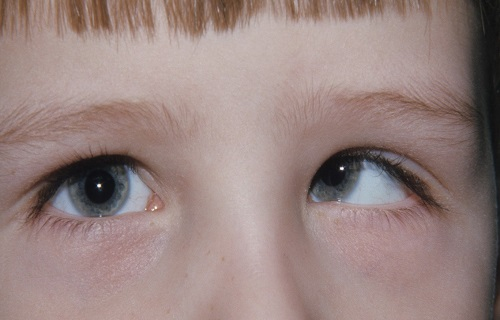
In strabismus the eyes are not aligned on the same object. The turning eye may alternate. Assessment considers the cause, vision and age before choosing glasses, prisms, selected exercises, injections or surgery. Eye patching for amblyopia is different from alignment surgery.
When strabismus surgery may be considered
Treatment aims to improve alignment and, when appropriate, reduce double vision or support visual function. Options depend on the cause, age and vision. Sudden misalignment or double vision, particularly with severe headache or neurological symptoms, requires urgent assessment.
Preparation and aftercare
Before treatment
Have alignment, vision and glasses needs measured; bring previous records and glasses.
Disclose medicines, illnesses and allergies. Aspirin and diabetes treatment are adjusted only by the clinical team.
Obtain age- and anaesthesia-specific fasting instructions.
Attend without makeup or contact lenses and arrange a companion after discharge.
After treatment
Use drops and medicines as prescribed and avoid rubbing or pressing the eye.
Ask about washing, contact lenses, makeup, swimming and exercise. Keep irritants out of the eye.
Redness, a gritty feeling or temporary double vision can occur, but severe pain, reduced vision, discharge or worsening symptoms need review.
Attend follow-up. Glasses or amblyopia treatment may still be needed.
Recovery and follow-up
Return to activity
Work or school depends on age, procedure and healing and is not necessarily possible within three days. Redness may last longer. Ask about exercise and swimming.
Why coordinate with Medisa Medtour?
Treatment and travel are coordinated around your circumstances and the agreed care plan.
Review before travel
Your records and expectations are collected to arrange a specialist consultation. Requests for further information are followed up before travel.
Doctor and hospital coordination
Consultations and visits are arranged according to the doctor’s and medical centre’s schedules.
Help with communication
Interpreter and travel support can be coordinated to assist communication with your doctor and medical centre.
Follow-up coordination
Post-treatment visits and online follow-up, when available, are considered in accordance with the doctor’s plan.
Before travelling, check insurance coverage, exclusions and approval requirements with your insurer in your country of residence.
Support from Medisa Medtour
Online medical consultation before travelling to Iran
Interpreter coordination from arrival
Airport and treatment-related city transfers
Accommodation coordination
Specialist or subspecialist assessment after arrival
Coordination of required diagnostic and laboratory services
Coordination of treatment, necessary admission and agreed support for one companion
Online follow-up after treatment when arranged with the clinical team
Image gallery
Before and after gallery
Start with a consultation
Contact the Medisa team to discuss your request and arrange an initial consultation.
Alignment improves for many people, but one success rate does not apply to everyone. Cause, degree of deviation, vision and previous surgery affect results. Misalignment may persist or recur and further treatment may be needed.
Is there an age limit?
Children and adults may receive treatment or surgery. Timing depends on cause, visual development, health and goals. Early assessment of children matters.
Does surgery also treat amblyopia?
Surgery adjusts muscles for alignment and does not replace amblyopia treatment. Prescribed glasses or patching may continue afterwards.
Does every misalignment need surgery?
No. Glasses, prisms, selected exercises or other treatments may be appropriate according to the cause. An ophthalmologist recommends surgery after assessing vision and alignment.
When should I seek urgent help afterwards?
Report reduced vision, severe pain, increasing redness or swelling, discharge or feeling unwell promptly. Confirm routine follow-up appointments in advance.