


Treatment plan and stages
Breathing and nasal support after previous surgery, scar tissue and possible cartilage grafting affect the estimate. The required procedures and stages are determined after specialist assessment.

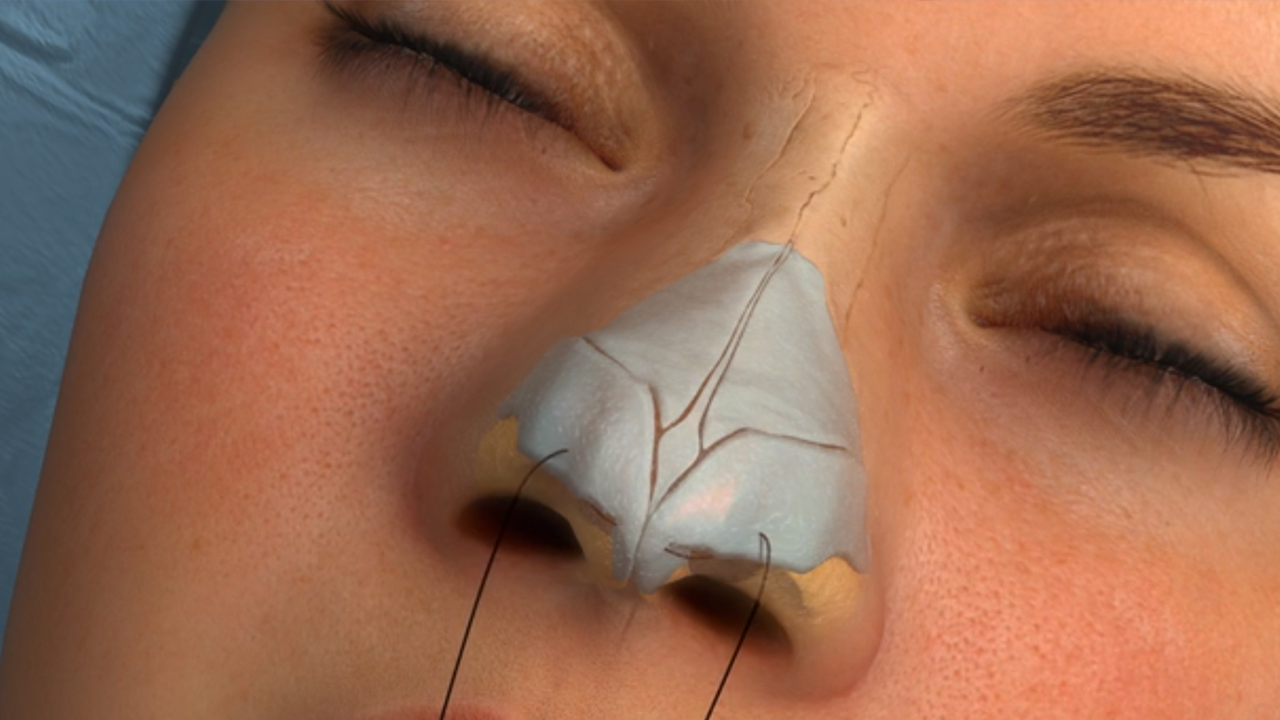
Revision rhinoplasty addresses structural or cosmetic problems that remain after, or arise from, an earlier nose operation.

Local anaesthesia, sedation or general anaesthesia is selected according to the repair, extent of the defect and assessment by the surgeon and anaesthetist.
The doctor determines the method and duration after examination, review of your records and assessment of the extent of treatment.
The need for admission and timing of discharge depend on the method, anaesthesia and your general health. Obtain a plan from the medical centre before travelling.
Allow time for rest, care of the treated area and help after discharge. You will receive instructions specific to the procedure.
Arrange the next examination and, when necessary, removal of sutures or dressings with the clinical team. Your return journey should fit this plan.
Work, exercise and travel depend on healing and medical clearance; there is no single timetable for everyone.

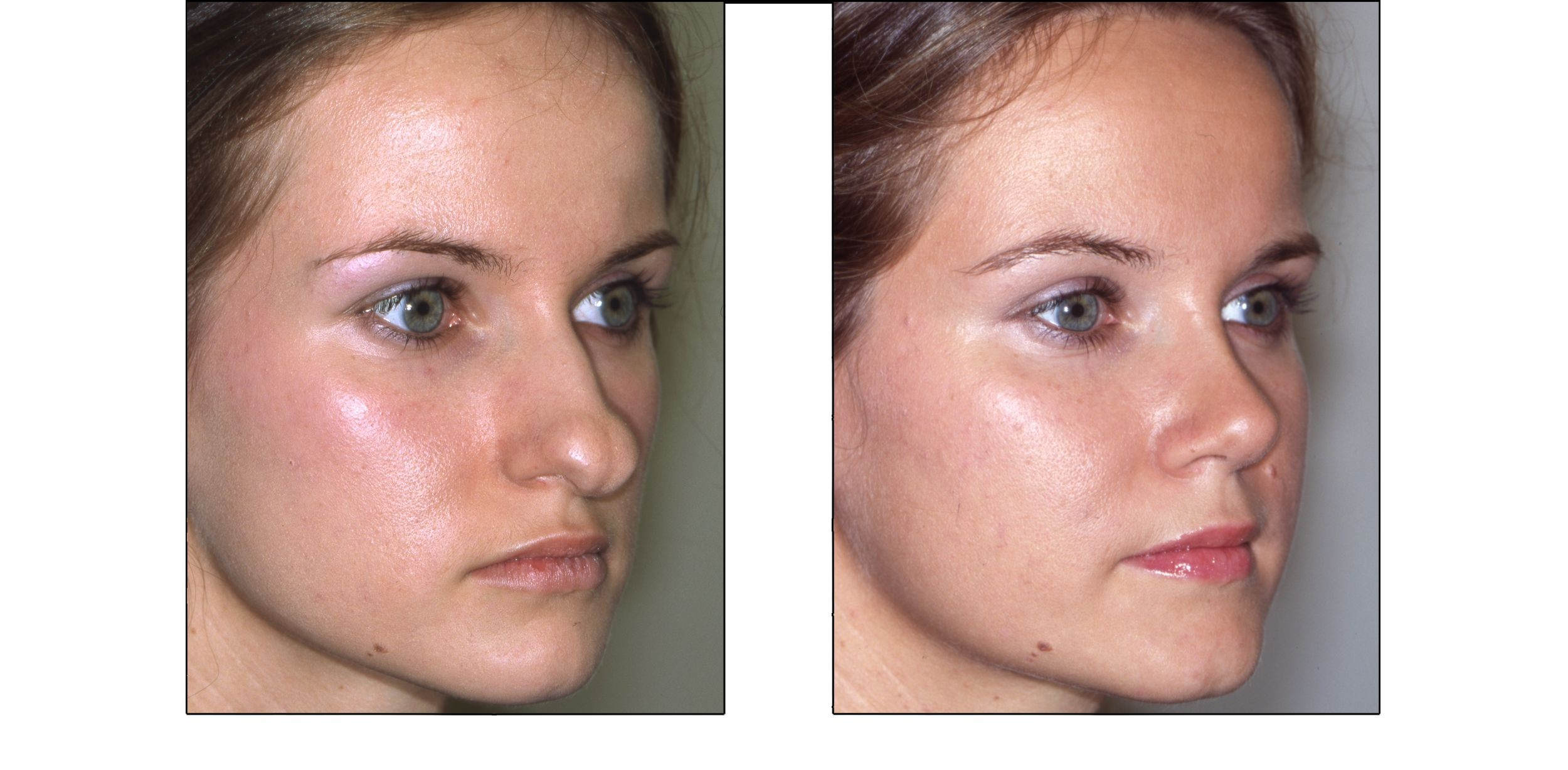
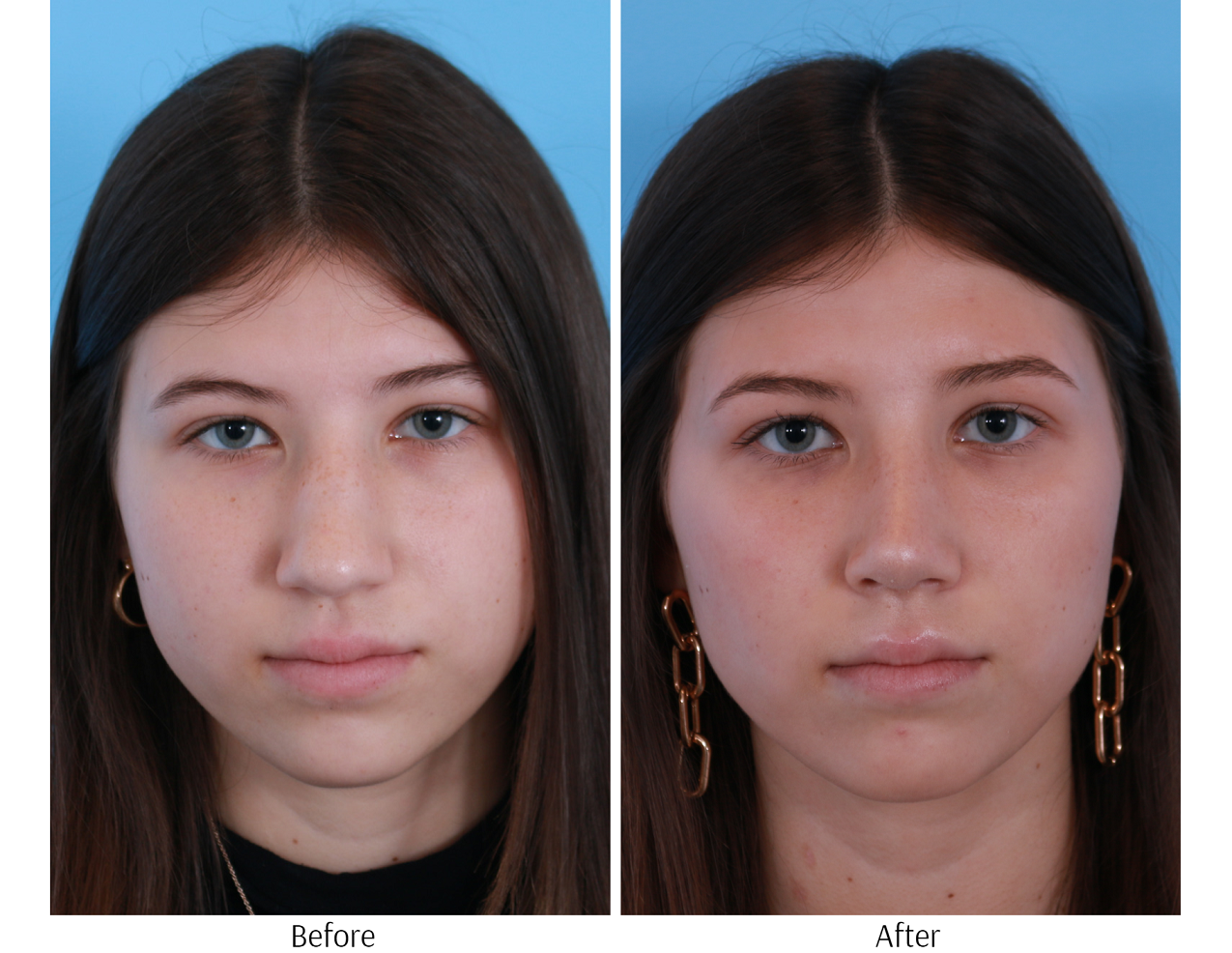
Revision rhinoplasty is considered for problems not fully corrected by an earlier operation or for tissue and structural changes caused by it. Assessment may concern breathing, appearance or both. A further operation is not automatically necessary for dissatisfaction; timing, alternatives and realistic limits need discussion.
Swelling and bruising around the nose and eyes usually lessen in the early weeks. Activity depends on the repair and surgical clearance.
Repeat surgery and cartilage grafting can prolong recovery. Swelling may last months; suture removal and reviews are individual, and the result is not final within a few weeks.
Treatment and travel are coordinated around your circumstances and the agreed care plan.
Your records and expectations are collected to arrange a specialist consultation. Requests for further information are followed up before travel.
Consultations and visits are arranged according to the doctor’s and medical centre’s schedules.
Interpreter and travel support can be coordinated to assist communication with your doctor and medical centre.
Post-treatment visits and online follow-up, when available, are considered in accordance with the doctor’s plan.

Before travelling, check insurance coverage, exclusions and approval requirements with your insurer in your country of residence.




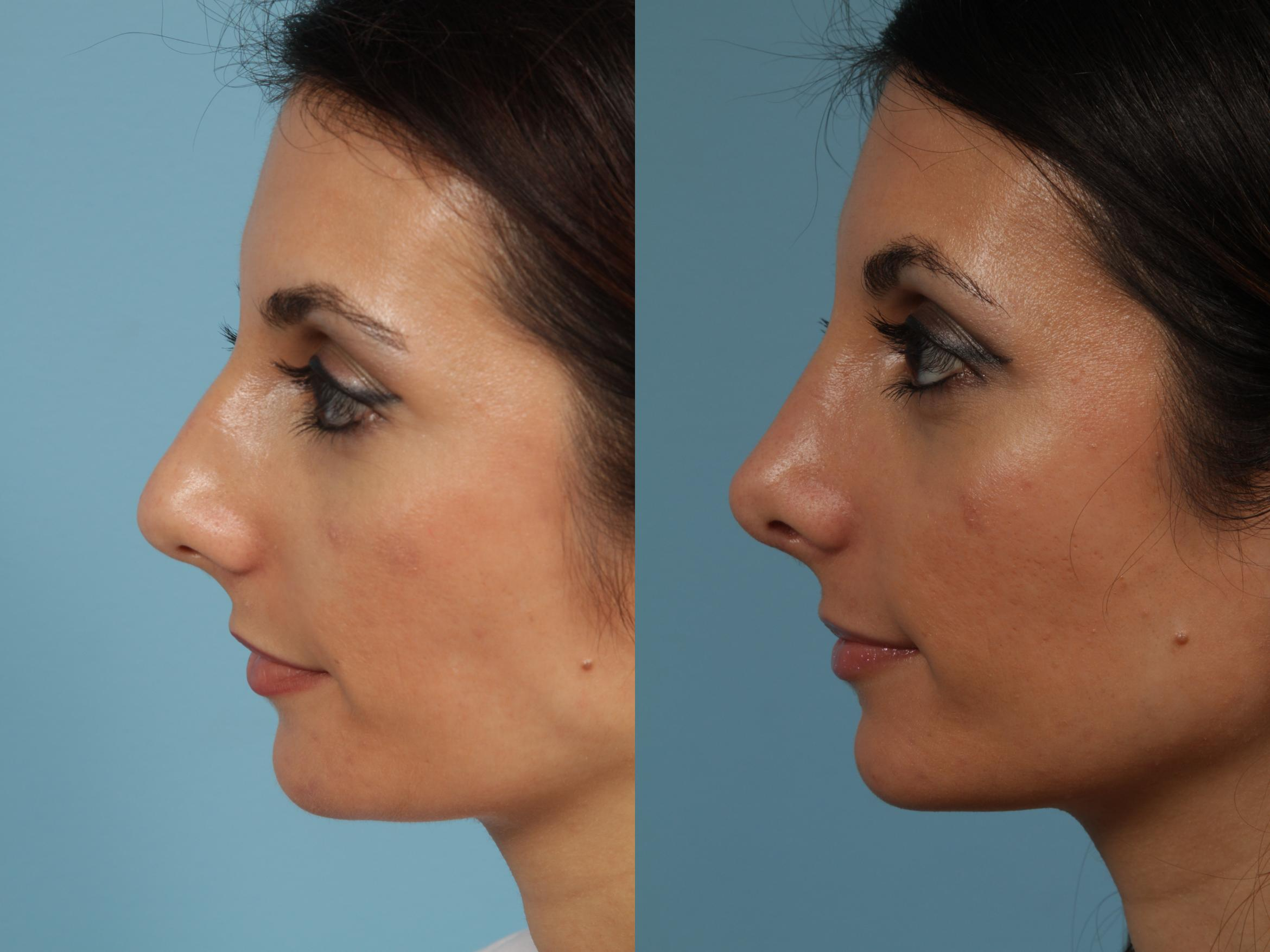
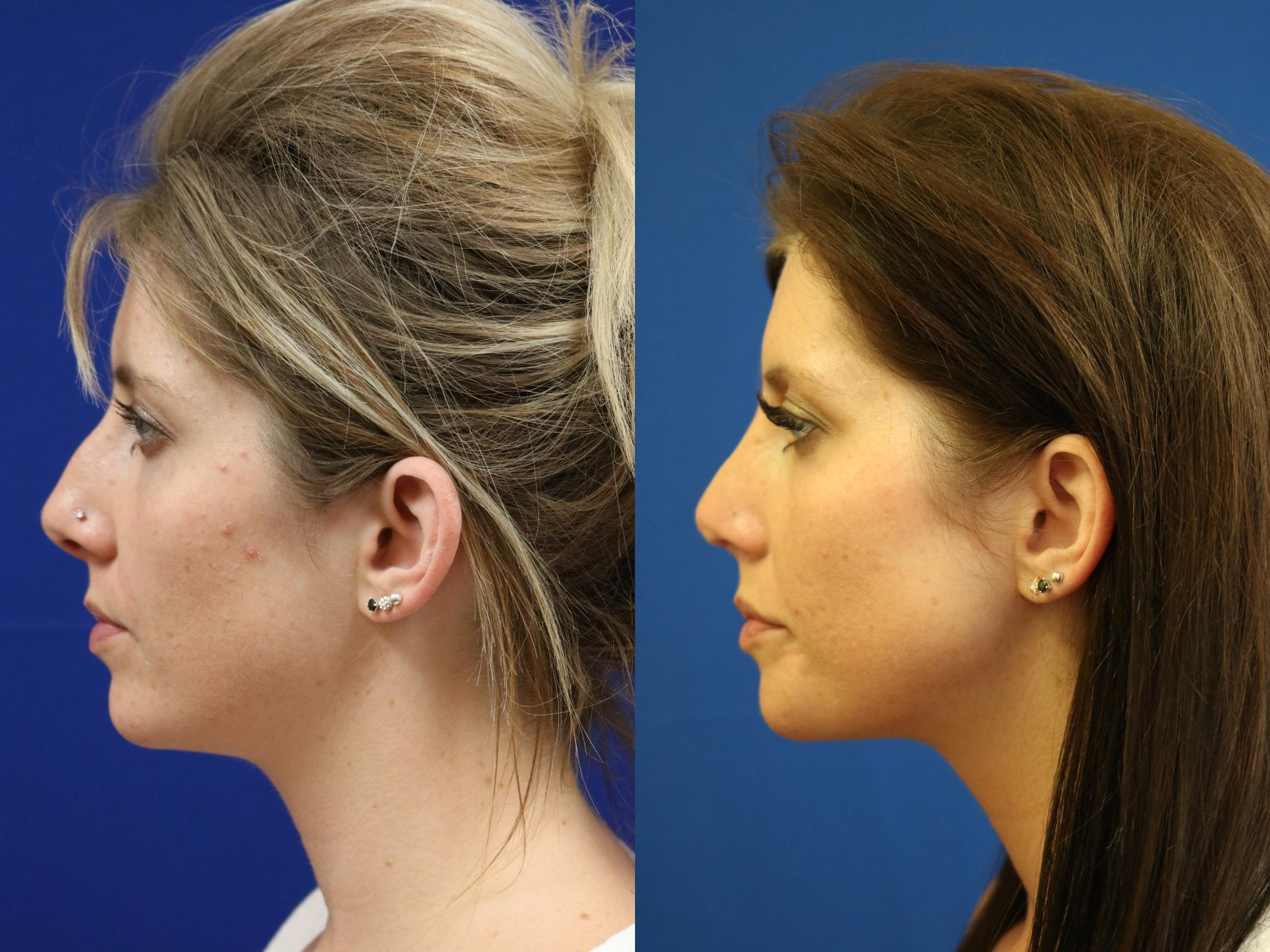
Contact the Medisa team to discuss your request and arrange an initial consultation.
An estimate follows review of your records and a treatment plan. Request an up-to-date written proposal that distinguishes treatment costs from travel services.
Breathing and nasal support after previous surgery, scar tissue and possible cartilage grafting affect the estimate. The required procedures and stages are determined after specialist assessment.
The estimate should specify consultations, examinations, surgeon and team fees, theatre, anaesthesia, tests and required medicines. Team expertise and surgical complexity can affect the cost.
Public or private care, required facilities, admission length and equipment or materials may change costs. Clinical need guides the choice of technique and device.
Compare the same procedure, stages, included and excluded services, follow-up and payment terms. For a comparison between Iran and other countries, obtain current quotes for equivalent services; one fixed price cannot apply to every patient.
Treatment coordination may be considered with or without accommodation. Confirm the chosen option and all included services in writing before travelling.
For a person arranging their own stay, treatment, consultations, tests, necessary admission and follow-up can be coordinated according to the agreed plan. Costs and exclusions should be stated separately.
Accommodation can be considered according to your condition and the required stay. Confirm nights, hotel category, breakfast or meals, companion arrangements and transfers in the written proposal before booking.
Where requested and available, visa coordination, interpreting, airport and city transfers and a SIM card or internet can be considered. Entry and visa approval follow the relevant rules. Check insurance coverage, exclusions and costs outside the package with the relevant provider before travel.

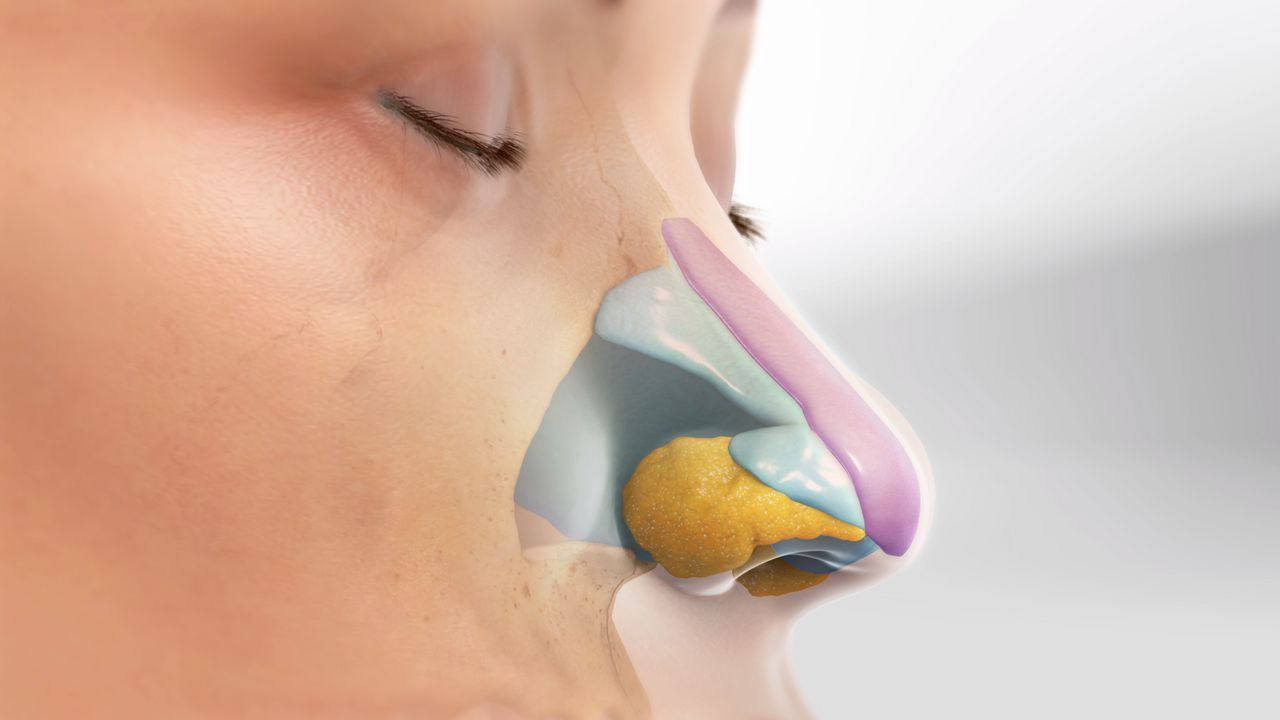
Cartilage from the septum, ear or rib may be used to support or rebuild the nose. The need and donor site are determined after examining the nose and reviewing the previous operation.
Natural tissue such as cartilage, or in selected situations a suitable implant, may be considered to reshape and support the nose. Cartilage commonly comes from the septum, ear or rib. The surgeon discusses the options, risks and donor-site care.
Anaesthesia and discomfort depend on the extent of surgery and any cartilage donor site. Pain management follows the doctor’s plan. Severe or increasing pain needs assessment.
Breathing difficulty, unwanted shape changes or damage after prior surgery may prompt assessment. Cosmetic dissatisfaction alone does not establish a need for another operation. Discuss timing, alternatives and limits.
Relevant training, experience with revision cases, careful assessment of facial anatomy, realistic examples, professional communication and time for discussion matter. Even with an experienced surgeon, another procedure may sometimes be needed.
Previous surgery changes tissue planes, support and scarring. This can make a second operation more complex and longer than a first operation; the exact duration depends on the case.