Local anaesthesia, sedation or general anaesthesia is selected according to the repair, extent of the defect and assessment by the surgeon and anaesthetist.
Method and treatment duration
The doctor determines the method and duration after examination, review of your records and assessment of the extent of treatment.
Admission and discharge
The need for admission and timing of discharge depend on the method, anaesthesia and your general health. Obtain a plan from the medical centre before travelling.
Initial care and recovery
Allow time for rest, care of the treated area and help after discharge. You will receive instructions specific to the procedure.
Visits and follow-up
Arrange the next examination and, when necessary, removal of sutures or dressings with the clinical team. Your return journey should fit this plan.
Return to activity
Work, exercise and travel depend on healing and medical clearance; there is no single timetable for everyone.
About Ear reconstruction
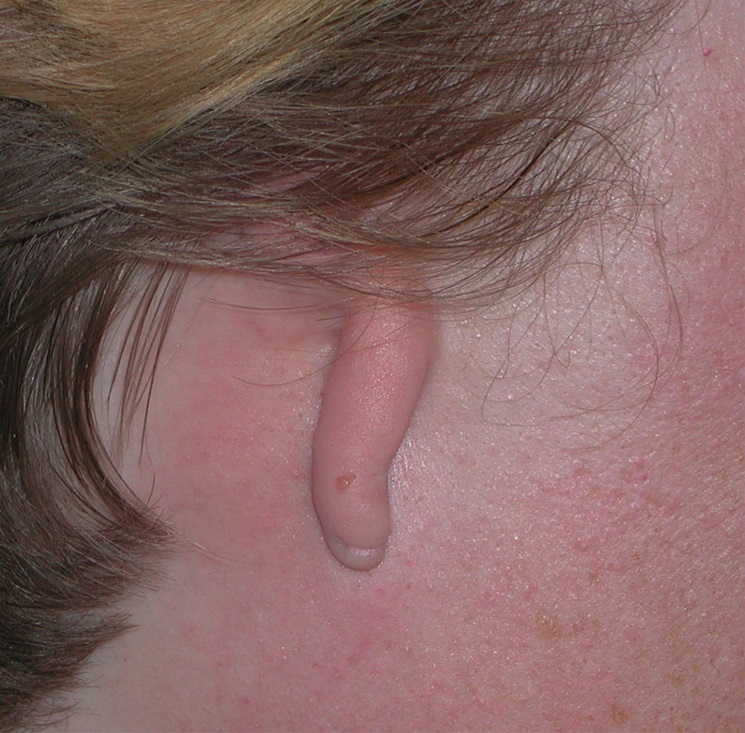
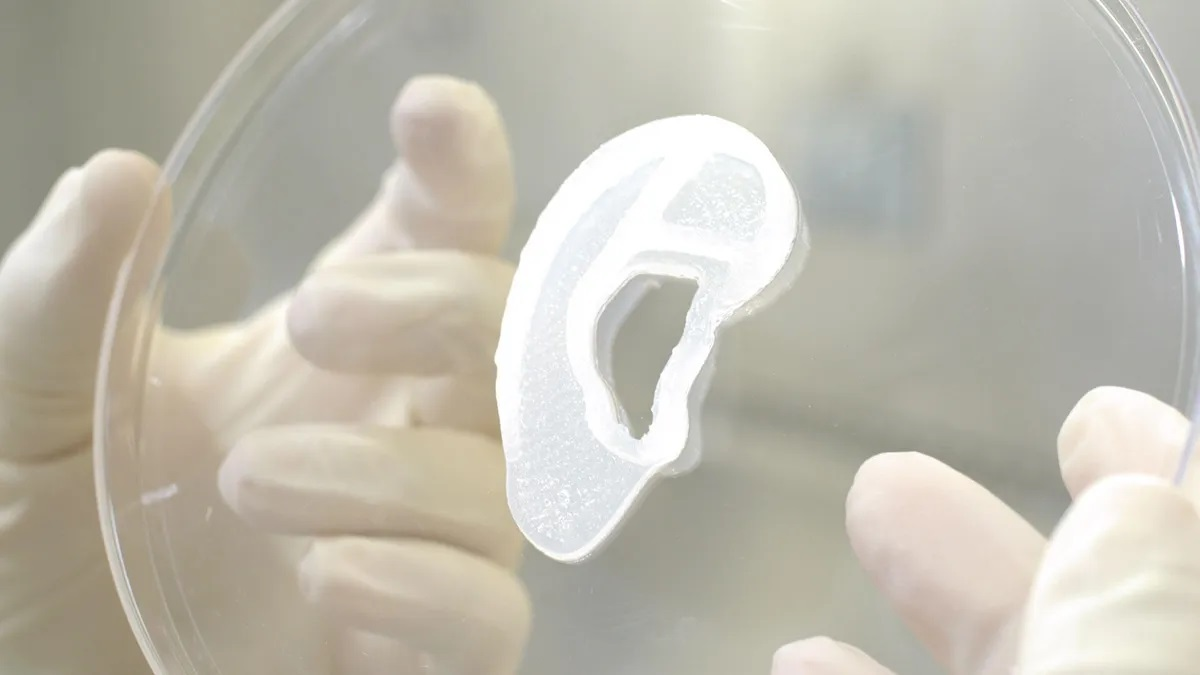
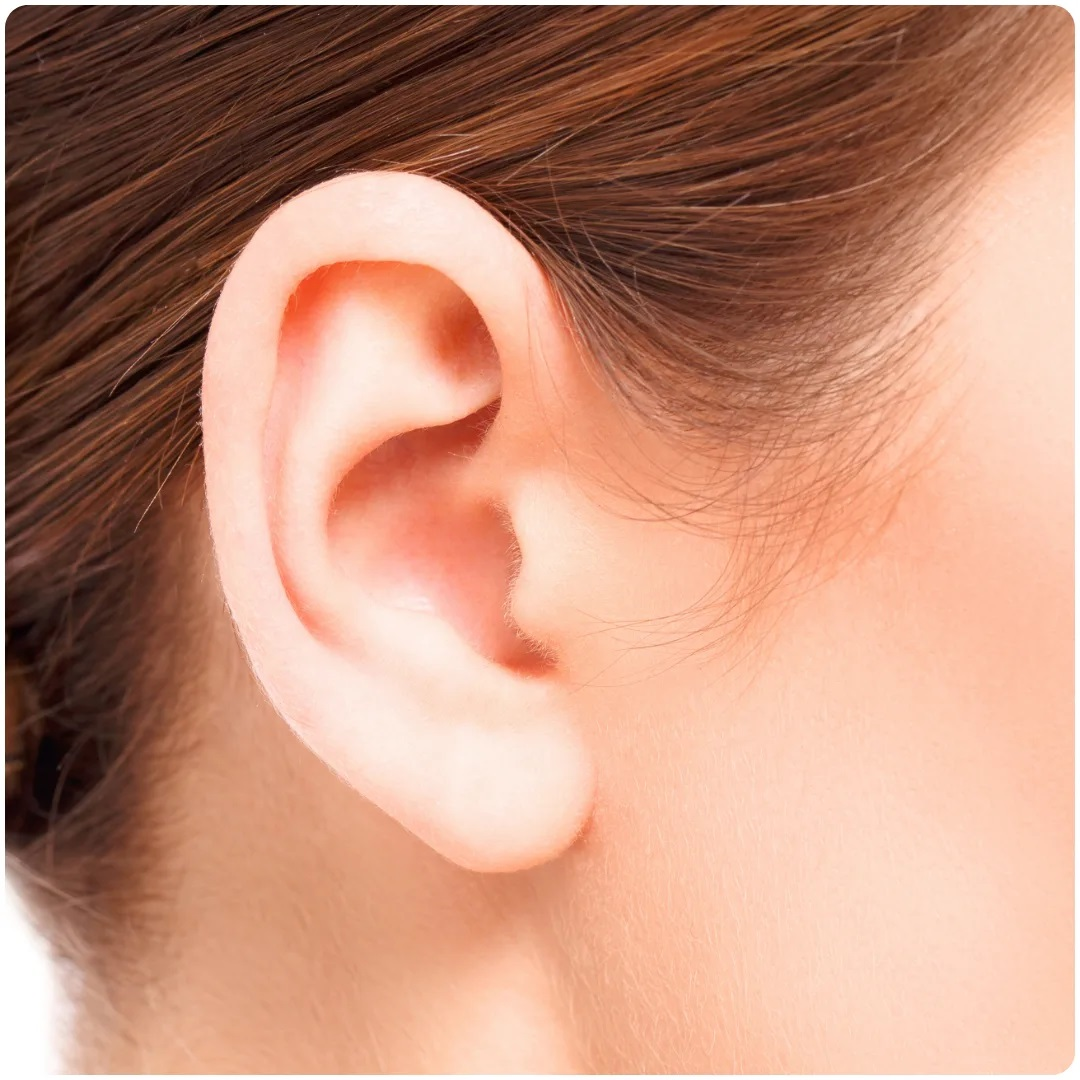
Ear reconstruction may refer to eardrum repair or reconstruction of the outer ear; these are different operations. This page mainly concerns tympanoplasty for a persistent eardrum perforation, selected middle-ear problems and assessment of hearing improvement. An ENT examination and hearing tests determine the appropriate procedure.
When ear reconstruction may be considered
A persistent eardrum perforation that has not healed spontaneously.
Recurrent infection or ear discharge requiring assessment and treatment of the cause.
Hearing loss related to the eardrum or middle-ear ossicles.
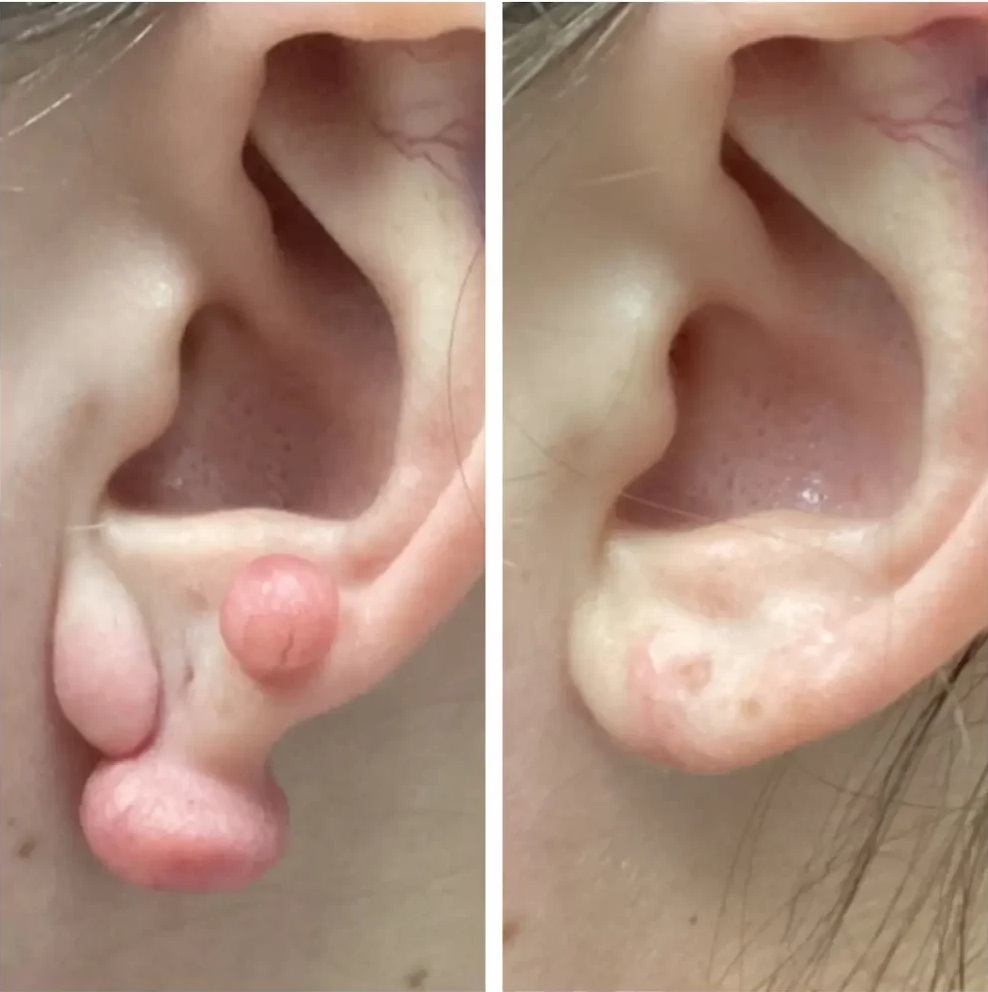
An earlobe tear is a separate repair with different goals and aftercare.
Preparation and aftercare
Before treatment
Complete the specialist examination, hearing tests and other prescribed assessments.
Provide infection and ear-surgery history, illnesses and medicines. Change medicines only as directed.
Obtain fasting and ear-preparation instructions. Trim hair behind the ear only if requested.
Plan dressing care, help after surgery and travel. Discuss smoking cessation.
After treatment
Keep the ear and dressing dry as directed. Do not put water, detergents or unprescribed drops into the ear canal.
Do not disturb dressings or sutures. Follow the team’s dressing, drop and medicine schedule.
Avoid pressure, injury, forceful nose blowing and strenuous activity until permitted; sneeze with your mouth open.
Delay swimming and flying until cleared. Use a headband only if advised for that operation.
Report severe pain or dizziness, fever, unusual discharge or new hearing loss promptly and attend follow-up.
Recovery and follow-up
Healing and assessment
Outer-ear repair and eardrum repair heal differently. Initial healing may take weeks and fuller assessment months. The specialist reviews hearing, the ear and clearance for activity or flying.
Why coordinate with Medisa Medtour?
Treatment and travel are coordinated around your circumstances and the agreed care plan.
Review before travel
Your records and expectations are collected to arrange a specialist consultation. Requests for further information are followed up before travel.
Doctor and hospital coordination
Consultations and visits are arranged according to the doctor’s and medical centre’s schedules.
Help with communication
Interpreter and travel support can be coordinated to assist communication with your doctor and medical centre.
Follow-up coordination
Post-treatment visits and online follow-up, when available, are considered in accordance with the doctor’s plan.
Before travelling, check insurance coverage, exclusions and approval requirements with your insurer in your country of residence.
Support from Medisa Medtour
Online medical consultation before travelling to Iran
Interpreter coordination from arrival
Airport and treatment-related city transfers
Accommodation coordination
Specialist or subspecialist assessment after arrival
Coordination of required diagnostic and laboratory services
Coordination of treatment, necessary admission and agreed support for one companion
Online follow-up after treatment when arranged with the clinical team
Image gallery
Before and after gallery
Introduction video
Ear reconstruction — Introduction video
Video gallery
Ear reconstruction — Video 1
Start with a consultation
Contact the Medisa team to discuss your request and arrange an initial consultation.
An estimate follows review of your records and a treatment plan. Request an up-to-date written proposal that distinguishes treatment costs from travel services.
Treatment plan and stages
The site of damage in the eardrum or outer ear, the repair technique, graft requirements, infection and hearing status affect the estimate. The required procedures and stages are determined after specialist assessment.
Medical fees and services
The estimate should specify consultations, examinations, surgeon and team fees, theatre, anaesthesia, tests and required medicines. Team expertise and surgical complexity can affect the cost.
Facility and equipment
Public or private care, required facilities, admission length and equipment or materials may change costs. Clinical need guides the choice of technique and device.
Comparing proposals
Compare the same procedure, stages, included and excluded services, follow-up and payment terms. For a comparison between Iran and other countries, obtain current quotes for equivalent services; one fixed price cannot apply to every patient.
Package options and medical travel coordination
Treatment coordination may be considered with or without accommodation. Confirm the chosen option and all included services in writing before travelling.
Treatment without accommodation
For a person arranging their own stay, treatment, consultations, tests, necessary admission and follow-up can be coordinated according to the agreed plan. Costs and exclusions should be stated separately.
Treatment with accommodation
Accommodation can be considered according to your condition and the required stay. Confirm nights, hotel category, breakfast or meals, companion arrangements and transfers in the written proposal before booking.
Travel and companion services
Where requested and available, visa coordination, interpreting, airport and city transfers and a SIM card or internet can be considered. Entry and visa approval follow the relevant rules. Check insurance coverage, exclusions and costs outside the package with the relevant provider before travel.
Frequently asked questions
How is the eardrum-repair technique chosen?
The surgeon assesses the perforation’s size and position, infection and ossicles to choose access through the ear canal or another incision. A tissue graft may be needed. Anaesthesia and any additional procedure depend on the individual.
Can a small eardrum hole be repaired with a patch?
A patch or limited repair may be suitable for selected small perforations. It is not appropriate for every perforation or an ear with active infection. The specialist chooses the material, anaesthesia and review schedule.
Who may need eardrum repair?
Persistent perforation, repeated infection or hearing difficulty are reasons for assessment, but not every perforation needs surgery. Examination, hearing, middle-ear health and general condition guide the decision.
What are the risks of tympanoplasty?
Risks include infection, incomplete closure, hearing changes, dizziness, taste disturbance or nerve injury. The likelihood and severity depend on the procedure and ear condition. Treat a complication only after assessment and prescription.
When can I fly or swim?
Keeping the ear dry and avoiding pressure changes matter after eardrum repair. Do not swim or fly until the surgeon has checked healing and given permission.