


Treatment plan and stages
The size and location of the skull defect, wound and infection status, implant or bone choice and neurological care affect the estimate. The required procedures and stages are determined after specialist assessment.

Cranioplasty repairs or reconstructs a defect in the skull bone.

Local anaesthesia, sedation or general anaesthesia is selected according to the repair, extent of the defect and assessment by the surgeon and anaesthetist.
The doctor determines the method and duration after examination, review of your records and assessment of the extent of treatment.
The need for admission and timing of discharge depend on the method, anaesthesia and your general health. Obtain a plan from the medical centre before travelling.
Allow time for rest, care of the treated area and help after discharge. You will receive instructions specific to the procedure.
Arrange the next examination and, when necessary, removal of sutures or dressings with the clinical team. Your return journey should fit this plan.
Work, exercise and travel depend on healing and medical clearance; there is no single timetable for everyone.

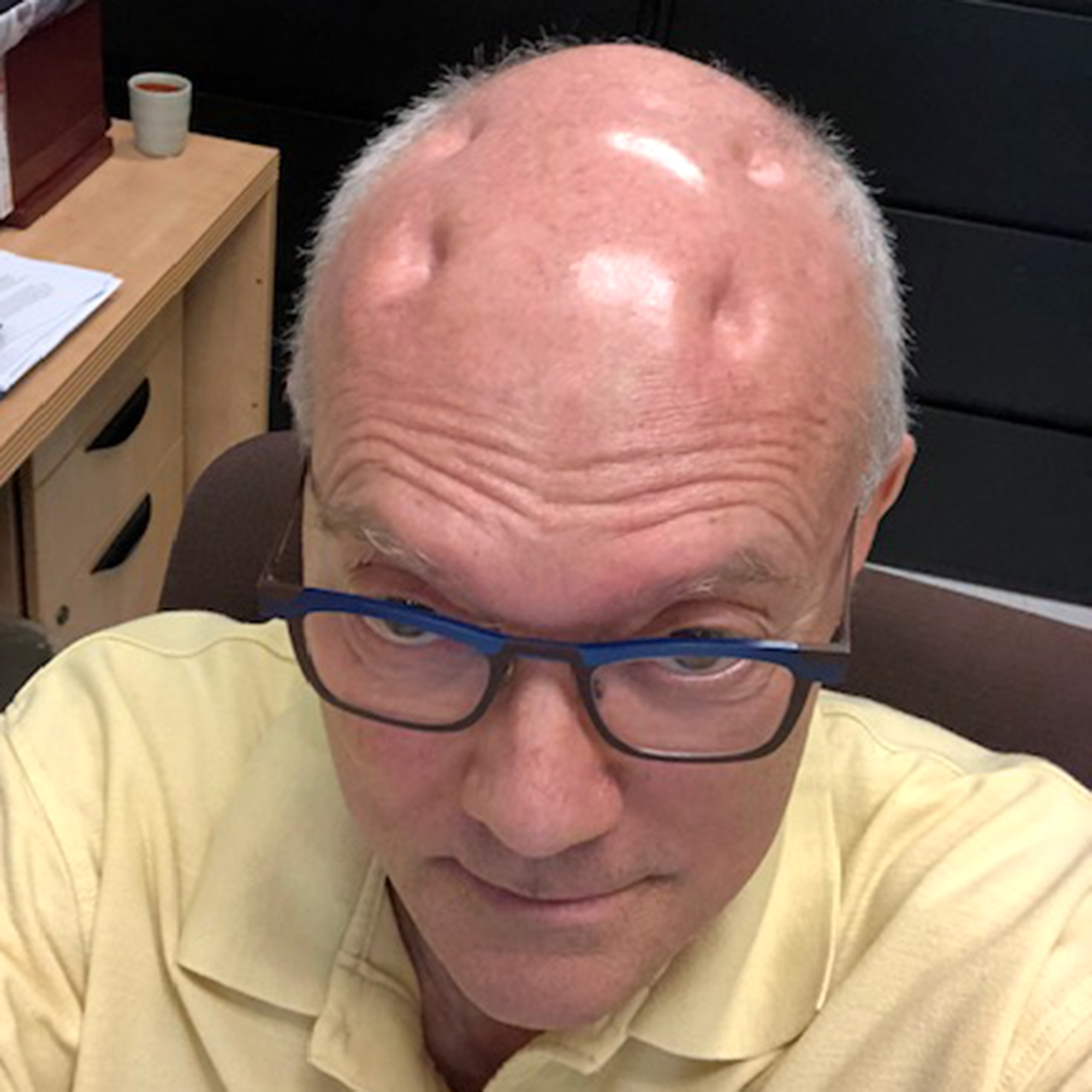
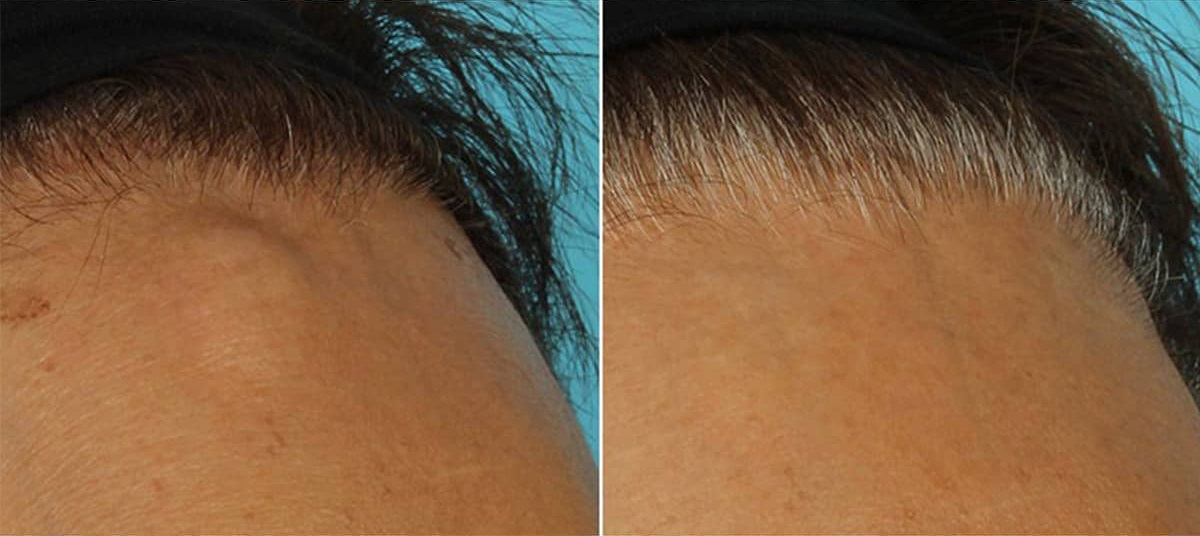
Skull defects may follow trauma, previous surgery, tumour treatment or congenital conditions. Cranioplasty aims to protect the brain and restore head shape, and may improve certain functions in selected patients. Assessment and planning are led by a neurosurgical team.
Admission depends on the repair, neurological condition and recovery. Discharge is not at a fixed time for everyone.
Follow the neurosurgeon’s medicine, activity and head-protection instructions.
Swelling may occur initially. Increasing pain, fever, discharge or altered consciousness need urgent assessment.
Recovery may take months. Work, exercise and travel require individual clearance.
Physiotherapy or rehabilitation may be prescribed. Reviews are necessary to assess healing and neurological status.
Treatment and travel are coordinated around your circumstances and the agreed care plan.
Your records and expectations are collected to arrange a specialist consultation. Requests for further information are followed up before travel.
Consultations and visits are arranged according to the doctor’s and medical centre’s schedules.
Interpreter and travel support can be coordinated to assist communication with your doctor and medical centre.
Post-treatment visits and online follow-up, when available, are considered in accordance with the doctor’s plan.

Before travelling, check insurance coverage, exclusions and approval requirements with your insurer in your country of residence.





Contact the Medisa team to discuss your request and arrange an initial consultation.
An estimate follows review of your records and a treatment plan. Request an up-to-date written proposal that distinguishes treatment costs from travel services.
The size and location of the skull defect, wound and infection status, implant or bone choice and neurological care affect the estimate. The required procedures and stages are determined after specialist assessment.
The estimate should specify consultations, examinations, surgeon and team fees, theatre, anaesthesia, tests and required medicines. Team expertise and surgical complexity can affect the cost.
Public or private care, required facilities, admission length and equipment or materials may change costs. Clinical need guides the choice of technique and device.
Compare the same procedure, stages, included and excluded services, follow-up and payment terms. For a comparison between Iran and other countries, obtain current quotes for equivalent services; one fixed price cannot apply to every patient.
Treatment coordination may be considered with or without accommodation. Confirm the chosen option and all included services in writing before travelling.
For a person arranging their own stay, treatment, consultations, tests, necessary admission and follow-up can be coordinated according to the agreed plan. Costs and exclusions should be stated separately.
Accommodation can be considered according to your condition and the required stay. Confirm nights, hotel category, breakfast or meals, companion arrangements and transfers in the written proposal before booking.
Where requested and available, visa coordination, interpreting, airport and city transfers and a SIM card or internet can be considered. Entry and visa approval follow the relevant rules. Check insurance coverage, exclusions and costs outside the package with the relevant provider before travel.

Depending on the case, the surgeon may use the person’s own bone or synthetic materials such as titanium or suitable polymers. A custom implant may be made in advance. Every option has benefits and risks; no material or 3D design guarantees freedom from complications.
A neurosurgeon assesses reconstruction when a skull defect remains after injury, previous surgery or certain congenital conditions. Goals may include brain protection, head shape or selected functional improvement. The underlying disease is treated separately.
Infection, wound or implant problems, donor-site complications when tissue is harvested, and neurological complications such as seizures or injury are possible. Material choice, age, general health and existing conditions affect risk and healing. Detailed assessment and continued care are necessary.
Potential complications include blood clots, stroke, heart attack, leg clots, pneumonia, urinary infection, fluid accumulation and other brain-related problems. Discuss individual risks with the surgical team.
Increasing headache, fever, seizures, wound swelling, discharge or fluid leakage require immediate contact with the surgical team. Altered consciousness or new weakness also require urgent assessment. Drive only after medical clearance.