Local anaesthesia, sedation or general anaesthesia is selected according to the repair, extent of the defect and assessment by the surgeon and anaesthetist.
Method and treatment duration
The doctor determines the method and duration after examination, review of your records and assessment of the extent of treatment.
Admission and discharge
The need for admission and timing of discharge depend on the method, anaesthesia and your general health. Obtain a plan from the medical centre before travelling.
Initial care and recovery
Allow time for rest, care of the treated area and help after discharge. You will receive instructions specific to the procedure.
Visits and follow-up
Arrange the next examination and, when necessary, removal of sutures or dressings with the clinical team. Your return journey should fit this plan.
Return to activity
Work, exercise and travel depend on healing and medical clearance; there is no single timetable for everyone.
About Cleft lip and palate repair
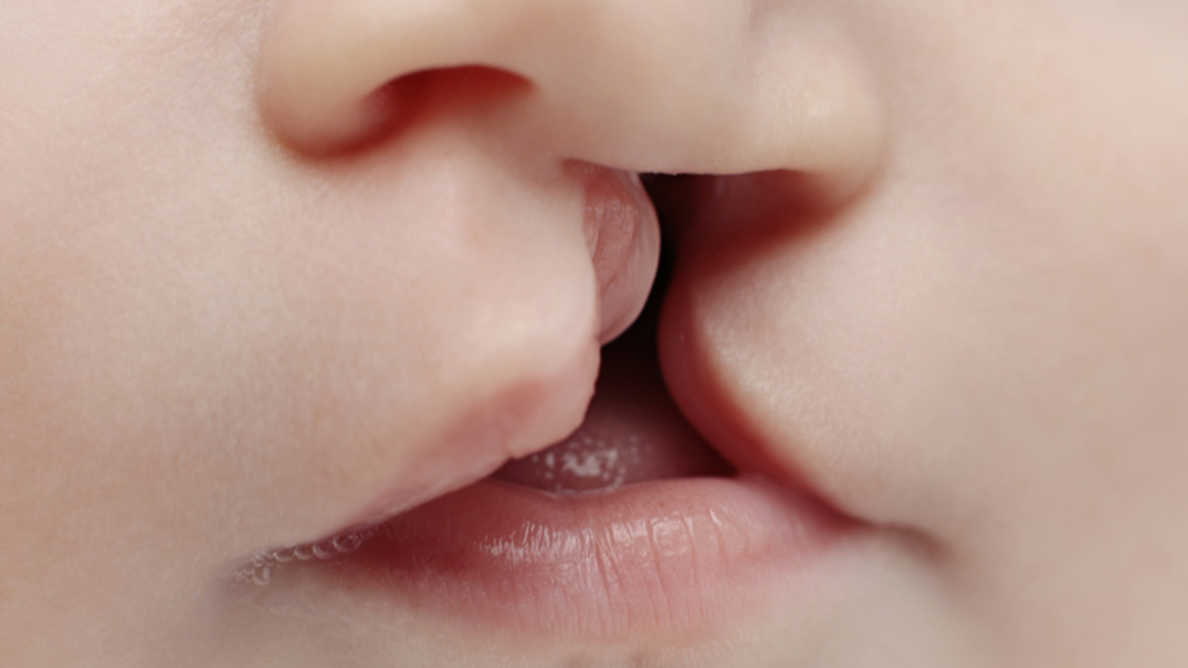
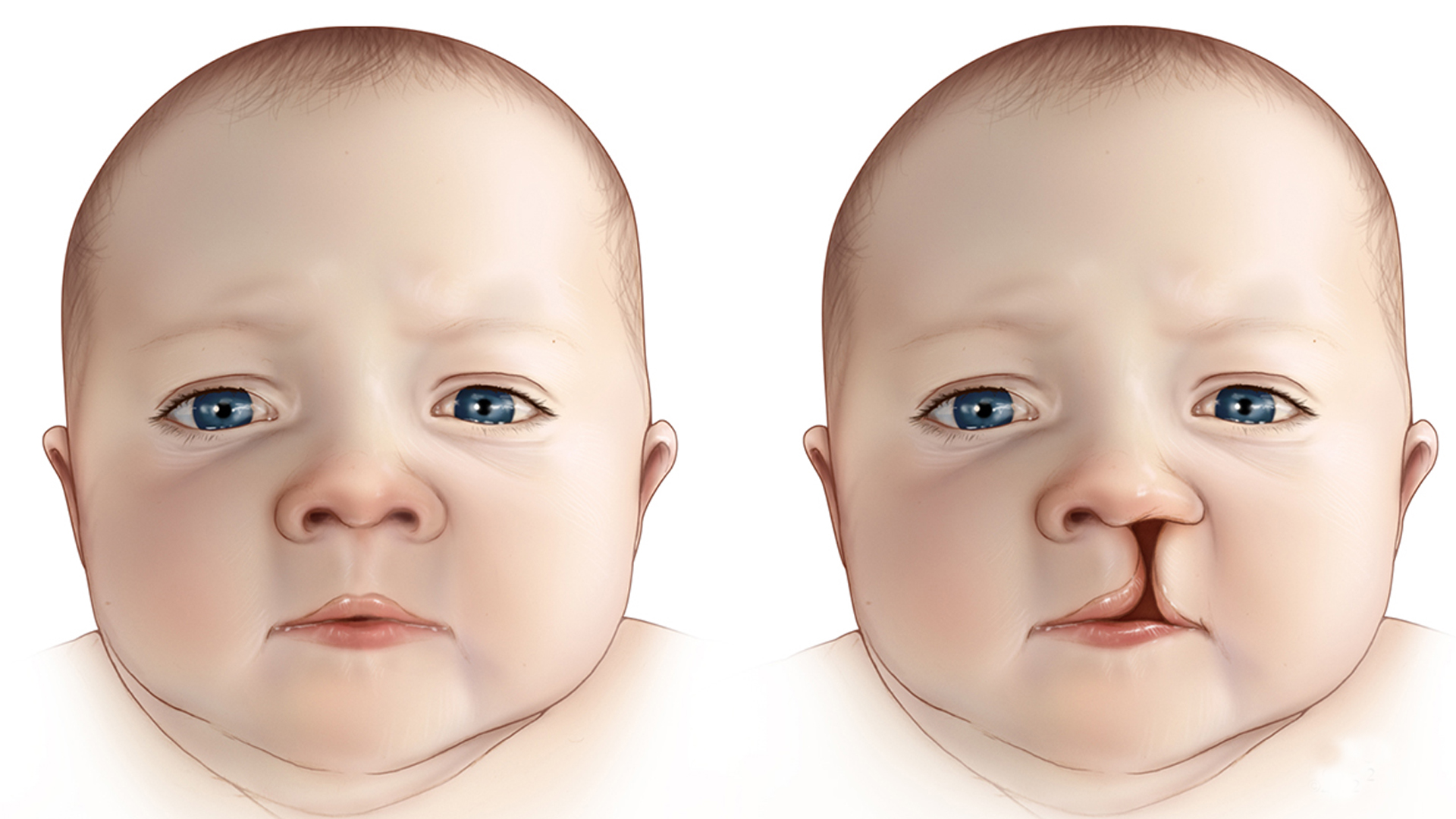
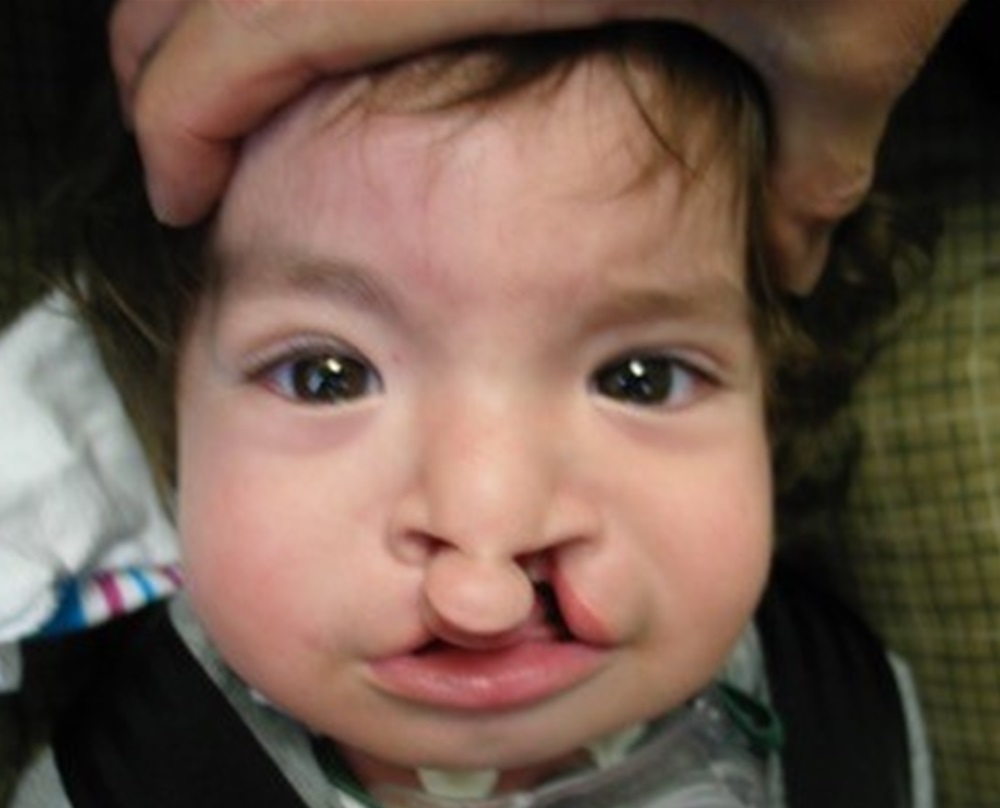
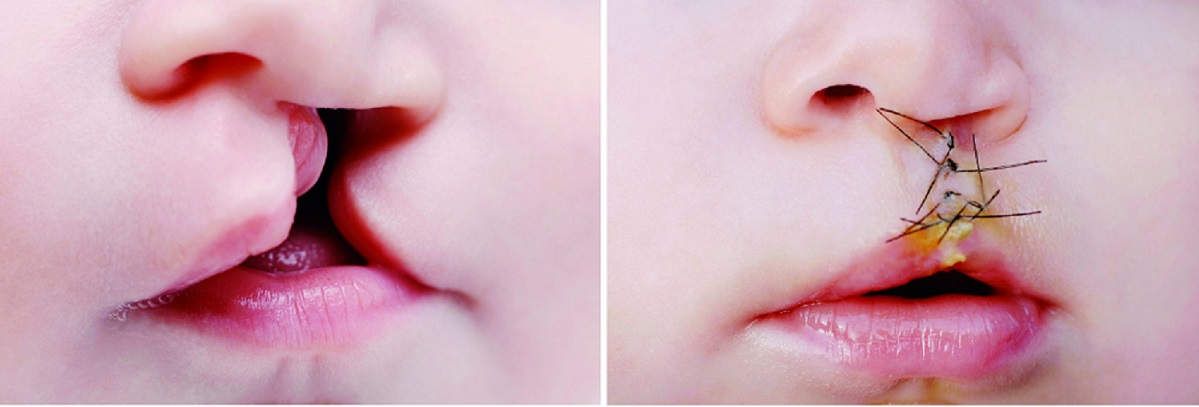
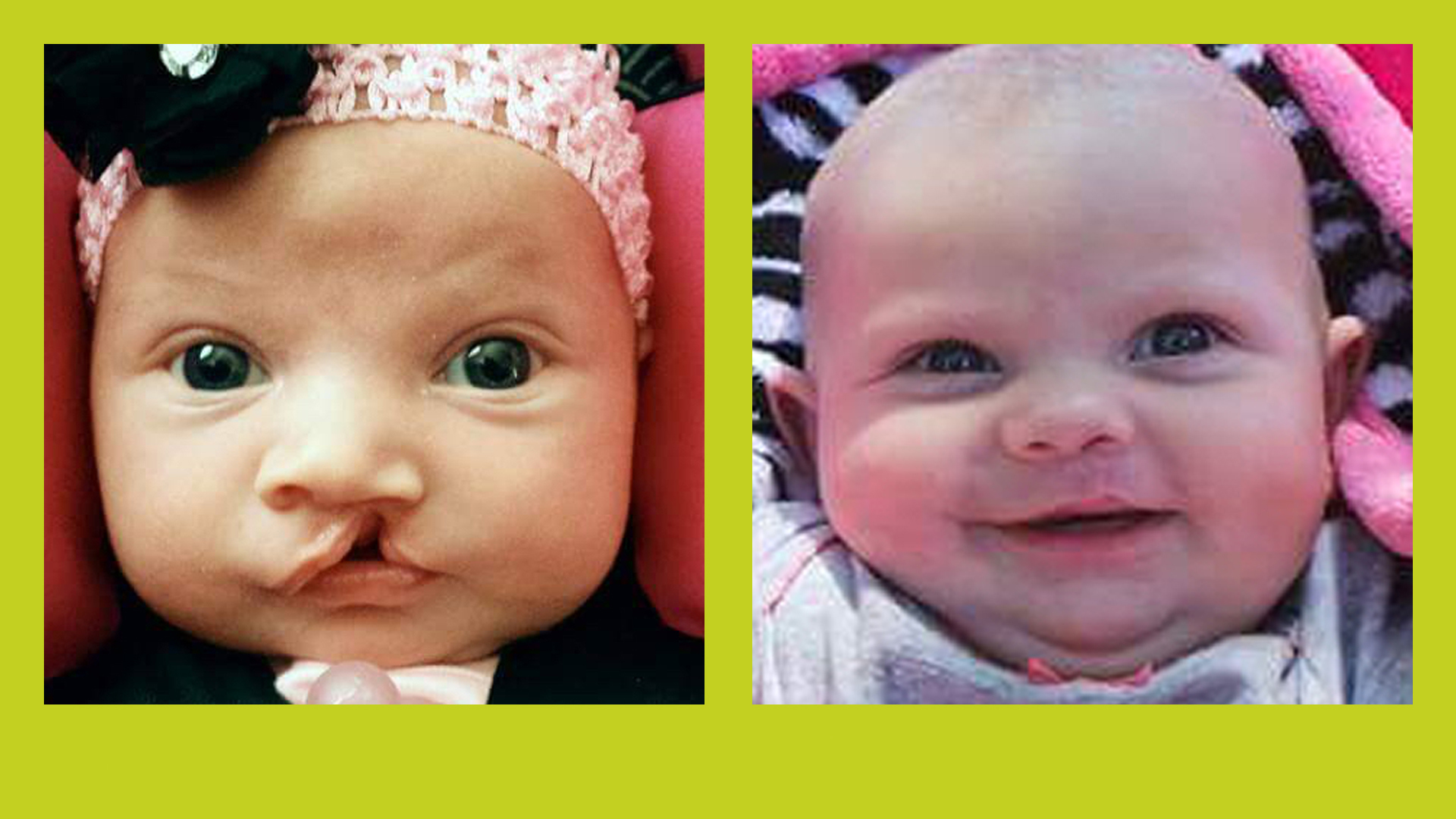
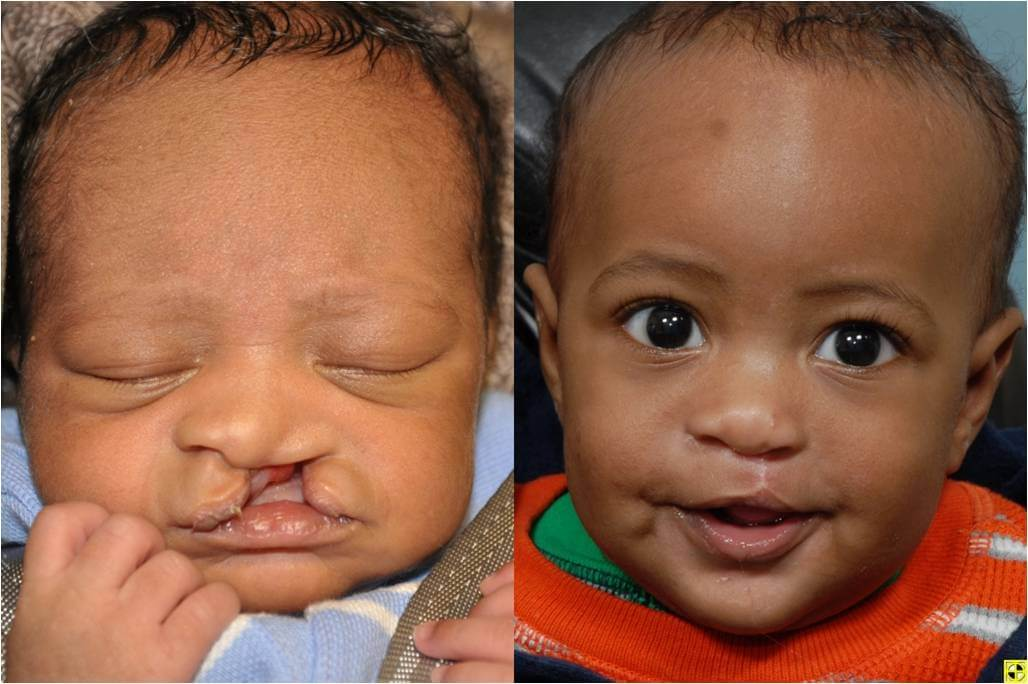
Repair of cleft lip and palate aims to improve appearance, feeding, breathing and speech. Care is planned by a specialist team and may involve several stages as the child grows.
When cleft lip and palate repair may be considered
Treatment aims to improve facial appearance and support breathing, hearing, speech and feeding. Surgery may need to be combined with hearing care, speech therapy, dental treatment or orthodontics. Needs differ between children and are reviewed during growth.
Preparation and aftercare
Before treatment
Preparation includes general surgical assessment and age-specific care. Tell the team about all medicines, health problems, allergies and any new fever or infection. Follow instructions from the surgeon and anaesthetist, especially the child’s individual fasting plan.
After treatment
Obtain exact feeding instructions from the cleft team; feeding after lip repair may differ from palate repair.
Offer age-appropriate fluids and soft food as instructed. Avoid hard food or utensils that may press on the repair.
Clean the wound only as taught. Do not use mouth rinses, cotton, syringes, brushes or ointments without the child’s specific instructions.
Give only prescribed medicines. Poor fluid intake, fever, bleeding or breathing difficulty require prompt contact with the team.
Feeding, hearing, speech and dental follow-up may continue after surgery.
Recovery and follow-up
Healing and care of the child
Initial healing may take weeks, but lip and palate aftercare differ. Obtain feeding, wound-protection and review instructions from the cleft team. Growth, speech and hearing follow-up can continue long term.
Why coordinate with Medisa Medtour?
Treatment and travel are coordinated around your circumstances and the agreed care plan.
Review before travel
Your records and expectations are collected to arrange a specialist consultation. Requests for further information are followed up before travel.
Doctor and hospital coordination
Consultations and visits are arranged according to the doctor’s and medical centre’s schedules.
Help with communication
Interpreter and travel support can be coordinated to assist communication with your doctor and medical centre.
Follow-up coordination
Post-treatment visits and online follow-up, when available, are considered in accordance with the doctor’s plan.
Before travelling, check insurance coverage, exclusions and approval requirements with your insurer in your country of residence.
Support from Medisa Medtour
Online medical consultation before travelling to Iran
Interpreter coordination from arrival
Airport and treatment-related city transfers
Accommodation coordination
Specialist or subspecialist assessment after arrival
Coordination of required diagnostic and laboratory services
Coordination of treatment, necessary admission and agreed support for one companion
Online follow-up after treatment when arranged with the clinical team
Image gallery
Before and after gallery
Introduction video
Cleft lip and palate repair — Introduction video
Start with a consultation
Contact the Medisa team to discuss your request and arrange an initial consultation.
An estimate follows review of your records and a treatment plan. Request an up-to-date written proposal that distinguishes treatment costs from travel services.
Treatment plan and stages
The type of cleft, the child’s age, earlier operations and the need for multidisciplinary or staged care affect the estimate. The required procedures and stages are determined after specialist assessment.
Medical fees and services
The estimate should specify consultations, examinations, surgeon and team fees, theatre, anaesthesia, tests and required medicines. Team expertise and surgical complexity can affect the cost.
Facility and equipment
Public or private care, required facilities, admission length and equipment or materials may change costs. Clinical need guides the choice of technique and device.
Comparing proposals
Compare the same procedure, stages, included and excluded services, follow-up and payment terms. For a comparison between Iran and other countries, obtain current quotes for equivalent services; one fixed price cannot apply to every patient.
Package options and medical travel coordination
Treatment coordination may be considered with or without accommodation. Confirm the chosen option and all included services in writing before travelling.
Treatment without accommodation
For a person arranging their own stay, treatment, consultations, tests, necessary admission and follow-up can be coordinated according to the agreed plan. Costs and exclusions should be stated separately.
Treatment with accommodation
Accommodation can be considered according to your condition and the required stay. Confirm nights, hotel category, breakfast or meals, companion arrangements and transfers in the written proposal before booking.
Travel and companion services
Where requested and available, visa coordination, interpreting, airport and city transfers and a SIM card or internet can be considered. Entry and visa approval follow the relevant rules. Check insurance coverage, exclusions and costs outside the package with the relevant provider before travel.
Frequently asked questions
What problems can a cleft lip or palate cause?
The opening can affect the lip, palate or both. Feeding and weight gain, milk coming through the nose, hearing, speech or dental development may be affected. Severity varies and specialist-team assessment and follow-up are needed.
How is the timing of repair decided?
Timing depends on the cleft, the child’s growth and health and the team’s programme. Many programmes repair the lip in the early months and the palate during the first year. Further treatment may be needed during growth. Ask for your child’s individual schedule.
Does surgery alone resolve every problem?
Speech therapy, hearing care, dental treatment, orthodontics or further surgery may also be needed. These needs are reviewed as the child grows.
How should we prepare for feeding after surgery?
Before discharge, practise the approved feeding method and equipment with the child’s team and obtain an age-appropriate food and fluid plan. Contact the team if drinking, weight gain or hydration is inadequate.
What should we tell the doctor before surgery?
Provide the child’s medicines, allergies, medical history and any new fever or infection. Obtain individual fasting instructions from the anaesthesia team.