
For advanced heart failure, a ventricular assist device such as an LVAD, or in selected cases a total artificial heart, may be considered. They are different treatments and require assessment by a specialist heart-failure team.

The doctor determines the method and duration after examination, review of your records and assessment of the extent of treatment.
The need for admission and timing of discharge depend on the method, anaesthesia and your general health. Obtain a plan from the medical centre before travelling.
Allow time for rest, care of the treated area and help after discharge. You will receive instructions specific to the procedure.
Arrange the next examination and, when necessary, removal of sutures or dressings with the clinical team. Your return journey should fit this plan.
Work, exercise and travel depend on healing and medical clearance; there is no single timetable for everyone.

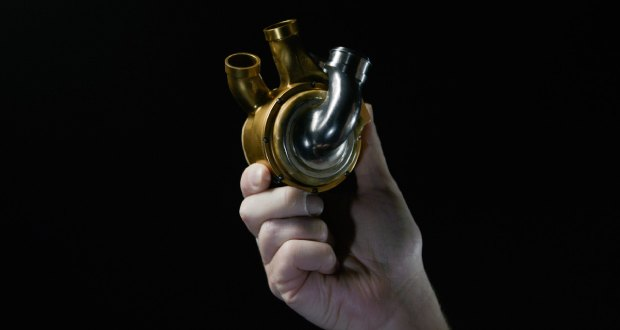
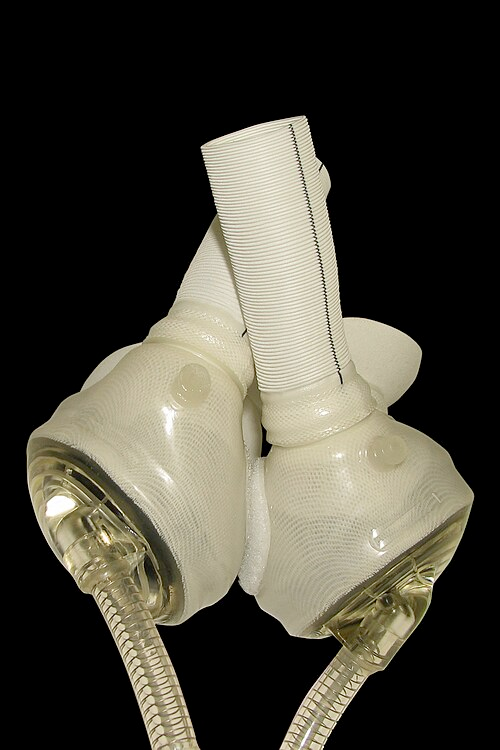
An LVAD is a pump that helps the left ventricle deliver blood to the body; the person’s own heart usually remains in place. A total artificial heart (TAH) replaces the function of damaged ventricles and differs from both an LVAD and a donor-heart transplant.
These options are not suitable for every person with heart failure. The specialist team assesses heart and other organ function and the treatment goal, including a bridge to transplant when appropriate. Confirm the device, availability at the centre and care plan before travelling. No fixed success rate or lifespan is guaranteed.
Circulation, breathing, kidneys, wounds and device function are monitored after surgery. Follow the specialist plan for medicines, driveline care and device settings. Do not disconnect power or stop medicines on your own. Before discharge, the patient and companion must understand alarms and emergency contact arrangements.
Severe breathlessness, chest pain, stroke symptoms, significant bleeding or a device alarm require urgent action according to the clinical team’s plan.
Breathing, circulation, bleeding and device function are monitored. Duration depends on the person’s condition.
After stabilisation, activity and nutrition are introduced gradually. The patient and companion learn device care and alarm responses. Discharge requires clinical approval.
Medicines, wound and driveline care, permitted activity and regular visits continue. Work and travel require an individual plan.
Device function and the heart and other organs need monitoring. The need for transplantation or changes in treatment is reassessed by specialists.
Treatment and travel are coordinated around your circumstances and the agreed care plan.
Your records and expectations are collected to arrange a specialist consultation. Requests for further information are followed up before travel.
Consultations and visits are arranged according to the doctor’s and medical centre’s schedules.
Interpreter and travel support can be coordinated to assist communication with your doctor and medical centre.
Post-treatment visits and online follow-up, when available, are considered in accordance with the doctor’s plan.

Before travelling, check insurance coverage, exclusions and approval requirements with your insurer in your country of residence.



Contact the Medisa team to discuss your request and arrange an initial consultation.

Selection considers advanced heart failure, ventricular function, kidney, liver and lung health, infection, transplant options and the ability to care for the device. The heart-failure team decides according to the treatment goal and available options.
Duration depends on the treatment, device model, the person’s condition and any additional procedures. Ask the surgical team for the expected operation and intensive-care times.
Anaesthesia and waking depend on the operation, circulation and breathing. Intensive care and breathing support may be needed afterwards; there is no fixed time for everyone.
Outcomes depend on the device, treatment goal, disease severity and centre experience. Artificial-heart support cannot be directly equated with donor transplantation. A ten-year lifespan or one success rate cannot be guaranteed for all devices.
This involves major surgery and complex care. Risks include bleeding, clots and stroke, infection, device malfunction and problems affecting other organs. Anti-rejection medicines relate to donor transplantation and should not be confused with mechanical support.
Maintain proper hygiene
Care for the surgical wound
Take medications on time
Maintain hygiene at home
Eat a healthy diet
Avoid smoking
Follow doctor's instructions
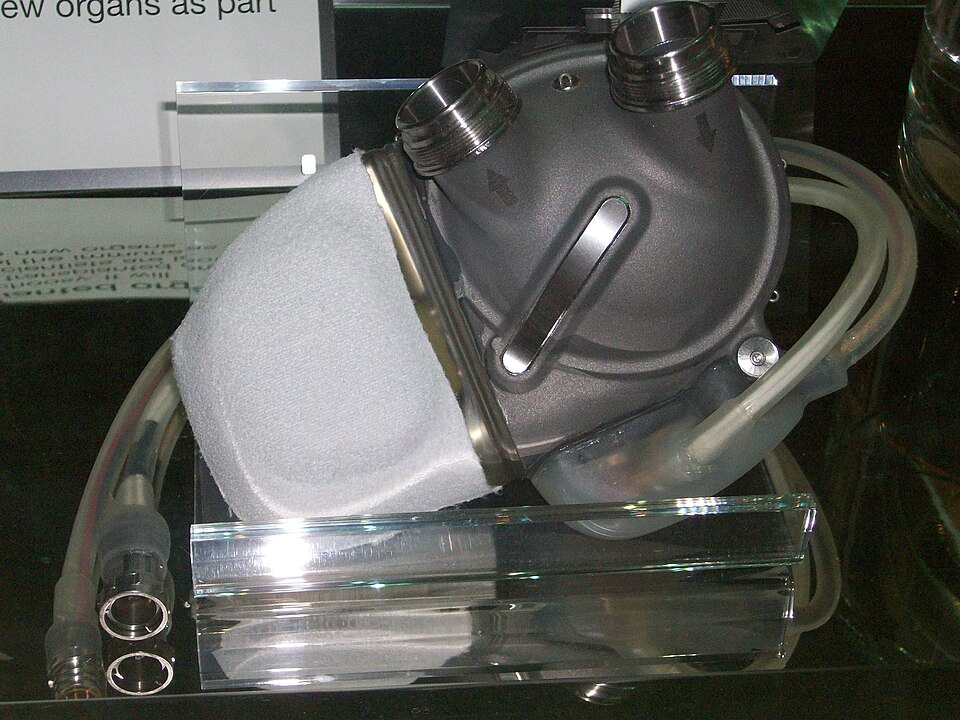
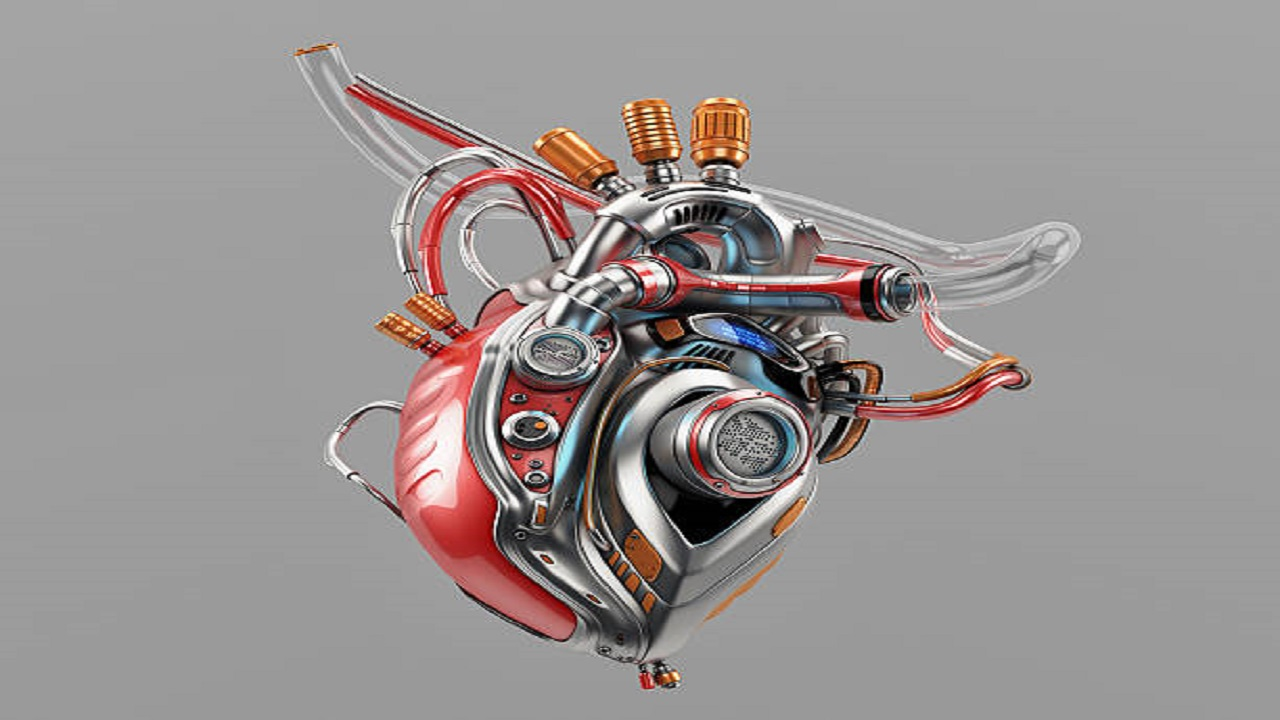
Components vary by model and may include a pump, controller, power supply and connections. LVAD and TAH have different structures. Your team must explain the components and care of your specific model.
An LVAD assists left-ventricular pumping, while TAH takes over the function of replaced ventricles. Power supplies, cables and controllers vary by model. Wireless power, internal batteries and charging times are not shared features of all devices. Never disconnect power for bathing without the team’s instructions.
After assessment and device selection, the surgeon connects the device to the circulation using the appropriate method and checks its function. Removing the ventricles applies to some total artificial hearts and is not a routine LVAD implantation step. Your surgical team explains the procedure.
Active infection, severe dysfunction of certain organs, poor general condition or inability to provide safe device care may affect the decision. Restrictions and treatment goals differ by device and patient; individual assessment is essential.
After TAH surgery, it's essential to follow a heart-healthy diet. Focus on low-sodium foods, lean proteins, whole grains, and plenty of fruits and vegetables. Avoid processed foods high in salt and sugar. Staying hydrated is also very important, but consult your doctor about fluid intake restrictions.
Admission depends on the device, recovery, complications and completion of patient and companion training, and may be prolonged. A one-to-two-week stay cannot be assumed for every TAH or LVAD patient.
Returning to work depends on heart and device function, recovery and the demands of your job. Discuss permitted activities, companion support and rehabilitation. Return within a particular month is not guaranteed.
Initially, you should focus on light activities such as short walks. As you recover, you can gradually increase your activity level. Always follow your doctor's recommendations regarding exercise and physical therapy.
Yes, after TAH surgery, you will need to take medication to manage heart function and prevent complications. It is crucial to adhere to the prescribed medication regimen and attend regular follow-up appointments.
Traveling is usually possible after TAH surgery, but it is essential to consult your doctor first. They can advise you on safe travel times and any precautions you should take, especially concerning long flights or road trips.
After TAH surgery, watch out for symptoms such as shortness of breath, chest pain, leg swelling, or unusual fatigue. If any of these symptoms occur, contact your doctor immediately.
Follow-up visits are crucial for monitoring your recovery and heart function. Initially, you may have visits every few weeks, and as your recovery progresses, the number of visits will decrease. Your healthcare provider will set up a schedule based on your needs.
Pregnancy with advanced heart failure and circulatory-support devices can be very high risk. A heart-failure team and high-risk pregnancy specialist must assess and counsel you before any decision. General information cannot establish suitability.
Many hospitals offer support groups and resources for TAH patients and their families. These groups can provide emotional support, education, and a sense of community. Ask your doctor to recommend local or online support groups.
Yes, there is a risk of infection after any surgery, including TAH. It is essential to keep the surgical site clean and follow your doctor's instructions for wound care. Report any signs of infection such as redness, swelling, or discharge.
Living with an LVAD usually requires daily device and driveline care, power management, careful medication use and regular follow-up. Training and activity limits depend on the person and model. Do not assume the same arrangements as TAH.
The long-term outlook after TAH surgery varies from person to person. Many patients experience an improved quality of life and increased longevity. Regular care and adherence to medical recommendations are crucial for maintaining health.
Participation in sports after TAH surgery depends on your recovery and the type of sport. Consult your doctor for personalized advice on which activities are safe and appropriate for you.
After TAH surgery, consider a heart-healthy lifestyle, including a balanced diet, regular exercise, and avoiding smoking and excessive alcohol consumption. Stress management and maintaining a healthy weight are also important for your overall health.
Yes, regular follow-up with a cardiologist is essential after TAH surgery. They will monitor your heart function, adjust medications as needed, and provide guidance on lifestyle changes to support your recovery.
Family support, discussion with the team and counselling when needed can help. Relaxation methods and physical or breathing exercises must fit the device restrictions and the heart team’s advice. Do not start exercise independently.
Experiencing anxiety after major surgery is common. If this anxiety is overwhelming, talk to your doctor. They can recommend counseling or support groups to help you cope with your feelings.
Yes, after TAH surgery, you should follow a heart-healthy diet that includes limiting sodium, saturated fats, and sugars. Your healthcare provider or a dietitian can provide specific dietary guidelines tailored to your needs.
To ensure a smooth recovery, carefully follow your doctor's instructions, attend all follow-up appointments, maintain a healthy diet, engage in appropriate physical activity, and seek support from family and friends.


