The doctor determines the method and duration after examination, review of your records and assessment of the extent of treatment.
Admission and discharge
The need for admission and timing of discharge depend on the method, anaesthesia and your general health. Obtain a plan from the medical centre before travelling.
Initial care and recovery
Allow time for rest, care of the treated area and help after discharge. You will receive instructions specific to the procedure.
Visits and follow-up
Arrange the next examination and, when necessary, removal of sutures or dressings with the clinical team. Your return journey should fit this plan.
Return to activity
Work, exercise and travel depend on healing and medical clearance; there is no single timetable for everyone.
About Abdominoplasty
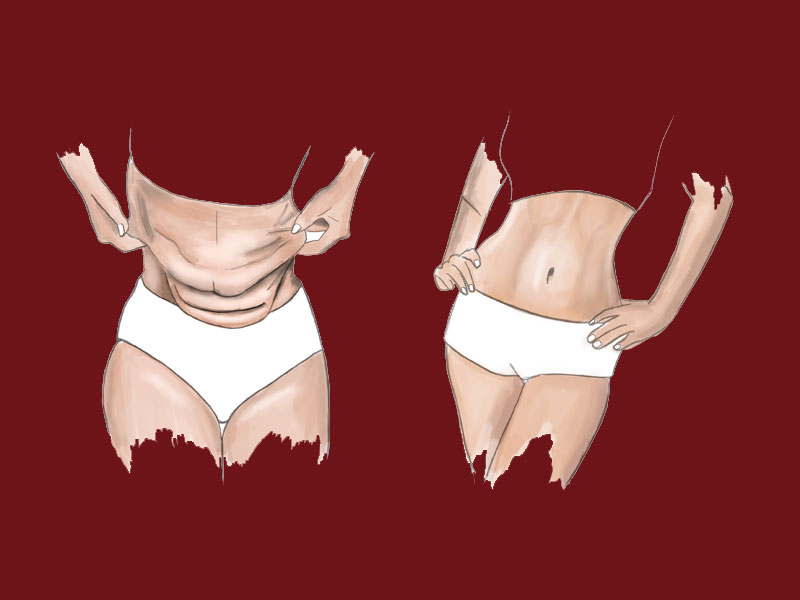
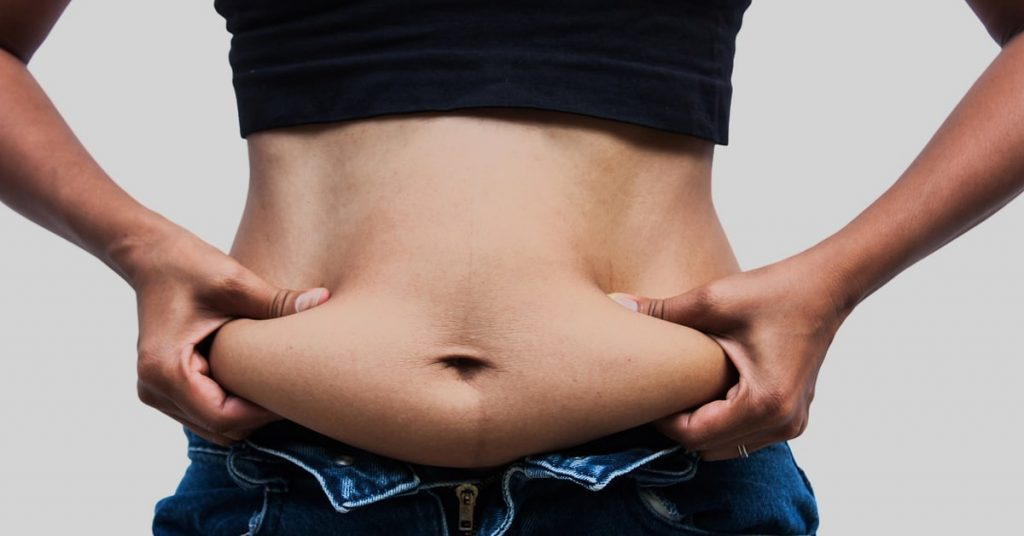
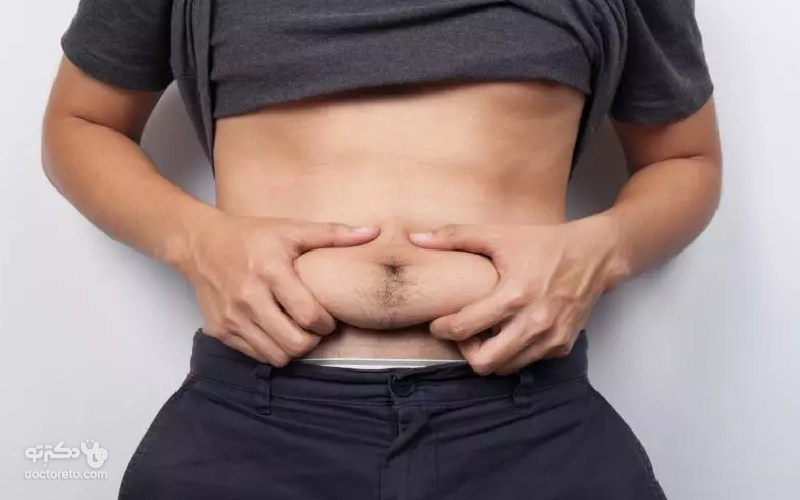
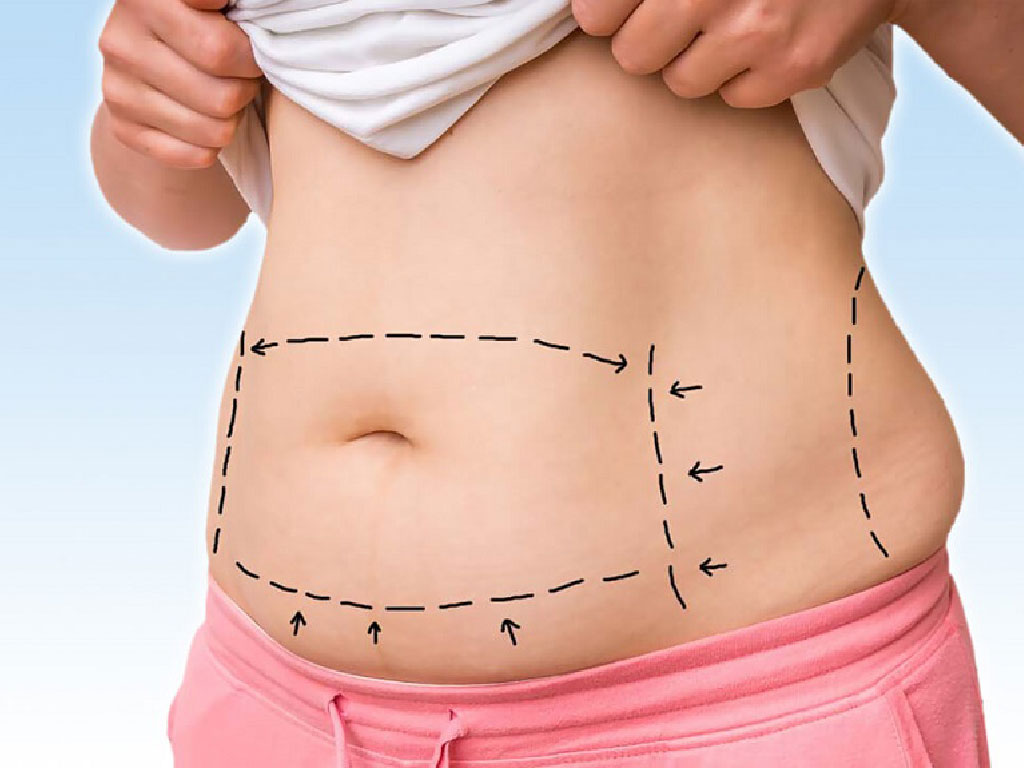
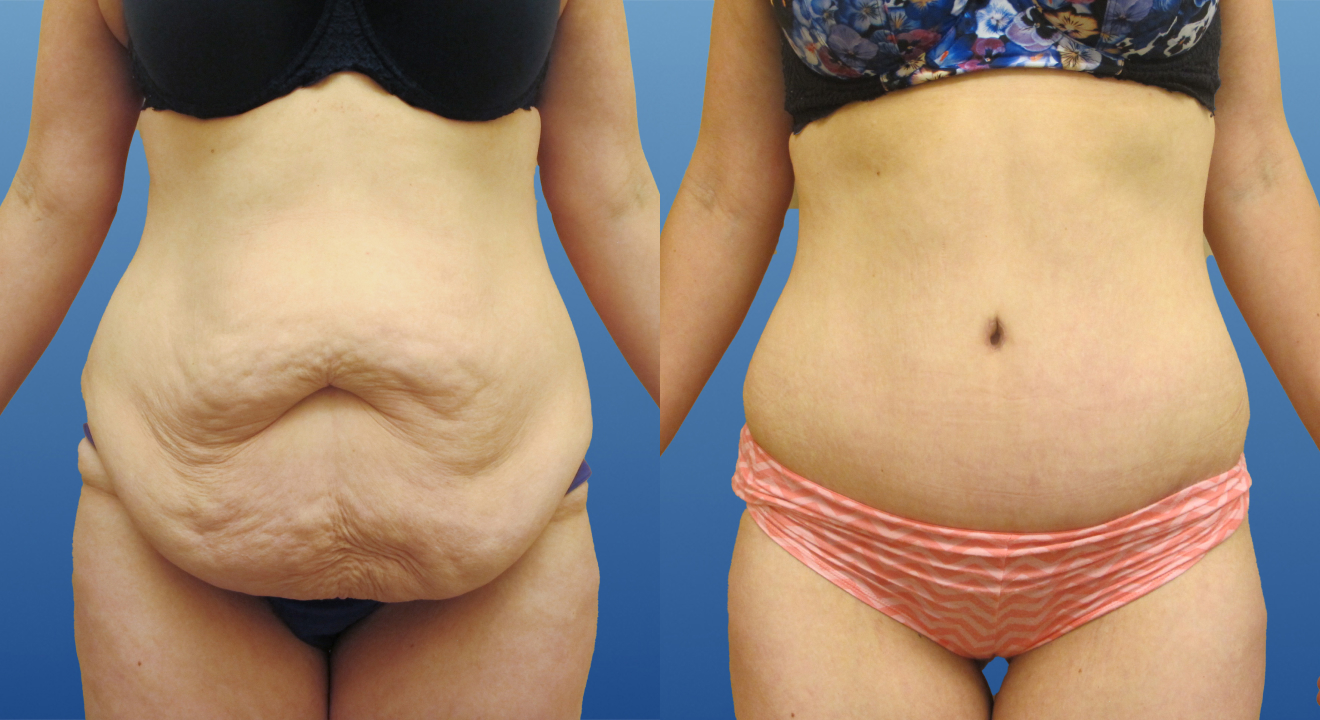
Abdominoplasty can change abdominal contour by removing excess skin and fat and repairing the wall when needed. It is not general weight-loss treatment. Pregnancy, weight changes and ageing can alter the result.
When abdominoplasty may be considered
Excess abdominal skin, including around the navel.
Lower abdominal-wall weakness after assessment.
Contour not adequately addressed by liposuction alone.
A depressed scar from previous abdominal surgery, or a goal of improving abdominal contour.
Preparation and aftercare
Before treatment
Review general health, pregnancies, abdominal surgery, illnesses and medicines. Tests are chosen individually; there is no single “abdominoplasty test”.
Discuss weight stability, future pregnancy, scars and possible wall repair.
Obtain instructions for medication changes, tobacco avoidance and fasting.
Arrange help at home, garments if prescribed and care of a possible drain.
After treatment
Care for dressings and any drain as instructed. Drain duration and antibiotic needs are individual.
Sleep and walk as advised to reduce wound tension. Begin gentle movement with permission and without abdominal strain.
Follow the medicine, garment, lifting and exercise plan.
Report bleeding, fever, discharge or increasing pain and swelling. Chest pain, breathlessness or a painful swollen leg need urgent assessment.
Recovery and follow-up
Healing and activity
Initial recovery takes weeks and varies with the operation and health. Light work generally precedes sport or lifting; obtain specific activity and travel advice. Swelling and scar maturation may continue for months.
Why coordinate with Medisa Medtour?
Treatment and travel are coordinated around your circumstances and the agreed care plan.
Review before travel
Your records and expectations are collected to arrange a specialist consultation. Requests for further information are followed up before travel.
Doctor and hospital coordination
Consultations and visits are arranged according to the doctor’s and medical centre’s schedules.
Help with communication
Interpreter and travel support can be coordinated to assist communication with your doctor and medical centre.
Follow-up coordination
Post-treatment visits and online follow-up, when available, are considered in accordance with the doctor’s plan.
Before travelling, check insurance coverage, exclusions and approval requirements with your insurer in your country of residence.
Support from Medisa Medtour
Online medical consultation before travelling to Iran
Interpreter coordination from arrival
Airport and treatment-related city transfers
Accommodation coordination
Specialist or subspecialist assessment after arrival
Coordination of required diagnostic and laboratory services
Coordination of treatment, necessary admission and agreed support for one companion
Online follow-up after treatment when arranged with the clinical team
Image gallery
Before and after gallery
Start with a consultation
Contact the Medisa team to discuss your request and arrange an initial consultation.
Pain and tightness can be expected and are managed with prescribed treatment. Report severe, sudden or increasing pain.
What age is suitable?
For adults, health, stable weight, tissue quality and realistic expectations matter more than one age. Limitations and anaesthetic risk need assessment.
Is swelling normal?
Gradual swelling may be part of healing, but sudden or asymmetric swelling, worsening pain, redness, fever or breathlessness should not be assumed normal. Seek assessment.
Can the abdominal shape change again?
Substantial weight changes, pregnancy and ageing can change the result. The operation does not guarantee a permanently flat abdomen. Stable weight and appropriate activity and food help maintain the outcome.
Can abdominoplasty be combined with a C-section?
This should not be presented as a routine risk-free option. The body is still changing and recovering after childbirth. Specialists determine timing after recovery, stable weight and consideration of pregnancy and breastfeeding plans. Four to six weeks after a C-section is not suitable for everyone.
Who may need to postpone or avoid surgery?
Major planned weight loss or pregnancy often favour postponement. Severe obesity, tobacco or uncontrolled illnesses can increase risk. Suitability is determined individually.