
Hair transplantation transfers your own follicles to thinning or bald areas after assessment of the cause and donor hair.

The cause of hair loss, scalp health and quality of your donor hair are assessed. These findings guide the harvesting method and achievable density.
Hair transplantation is often an outpatient procedure. The area and technique influence session length and whether several sessions are needed. Obtain a final plan from your doctor.
Ask for specific instructions on washing, sleeping, activity and returning to work. Avoid pressure, scratching or touching the grafts.
Temporary shedding of transplanted hair shafts may occur. New growth is gradual and the final result is not immediate. Review progress at follow-up visits.

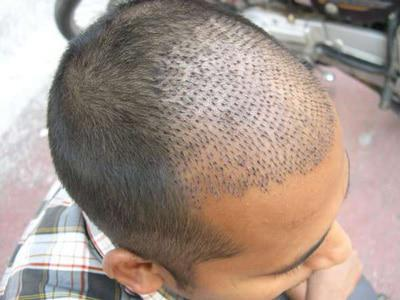
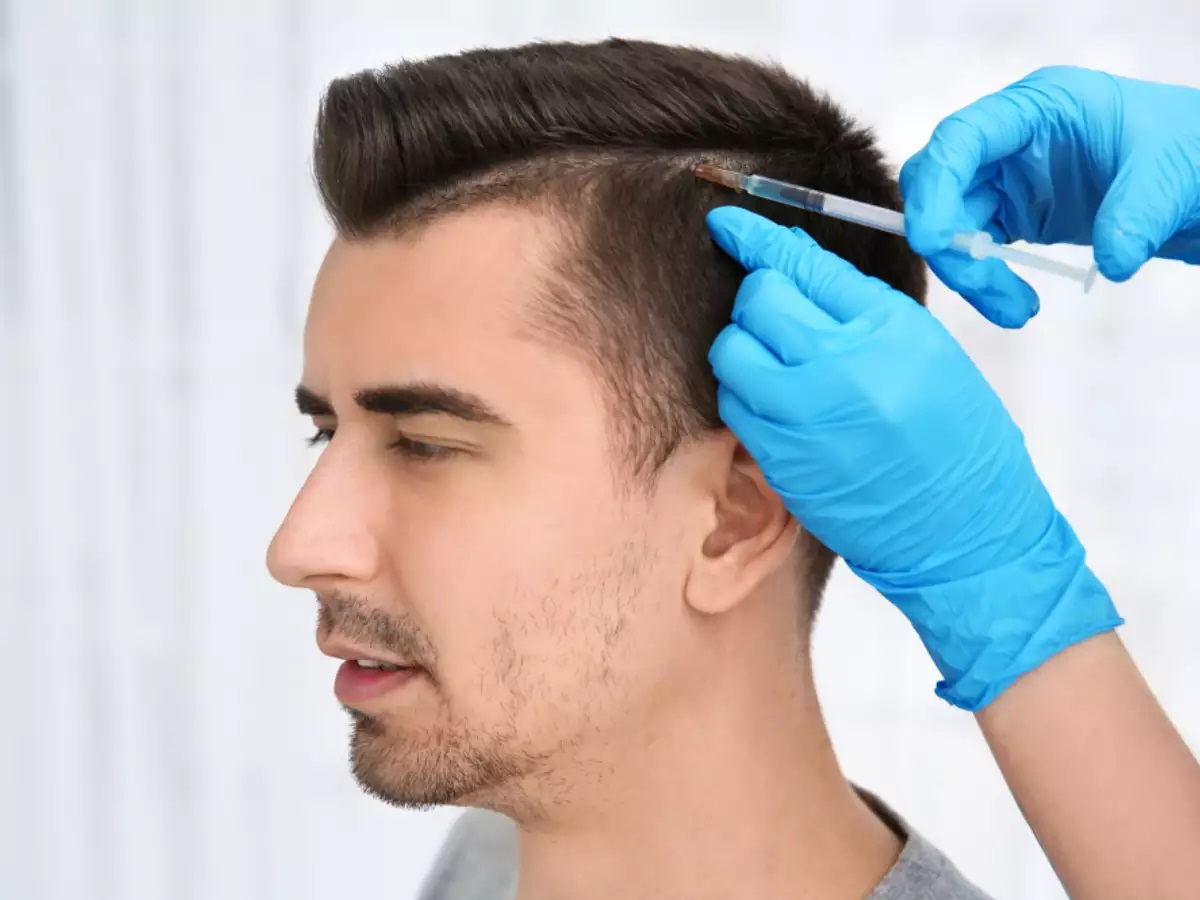
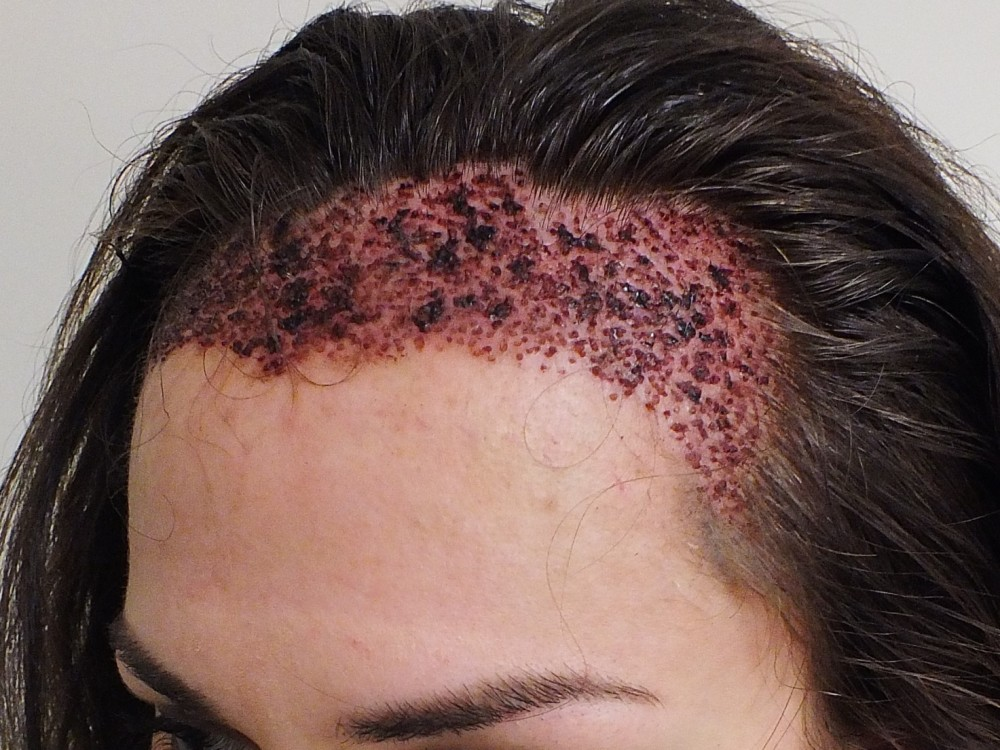
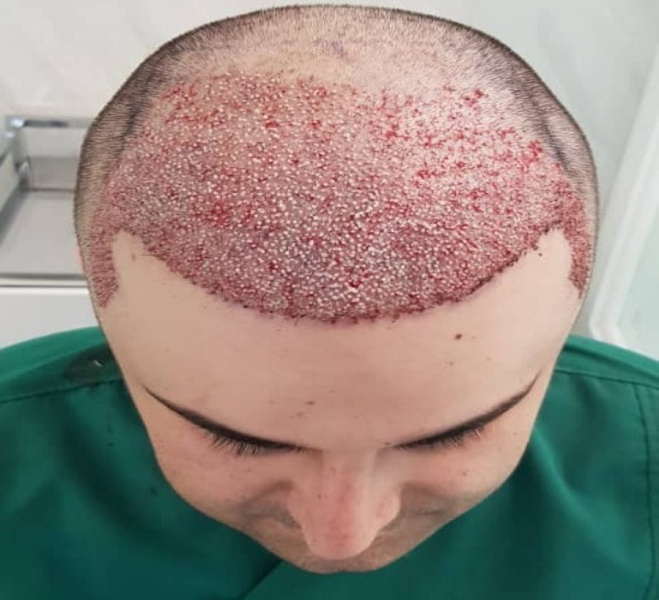
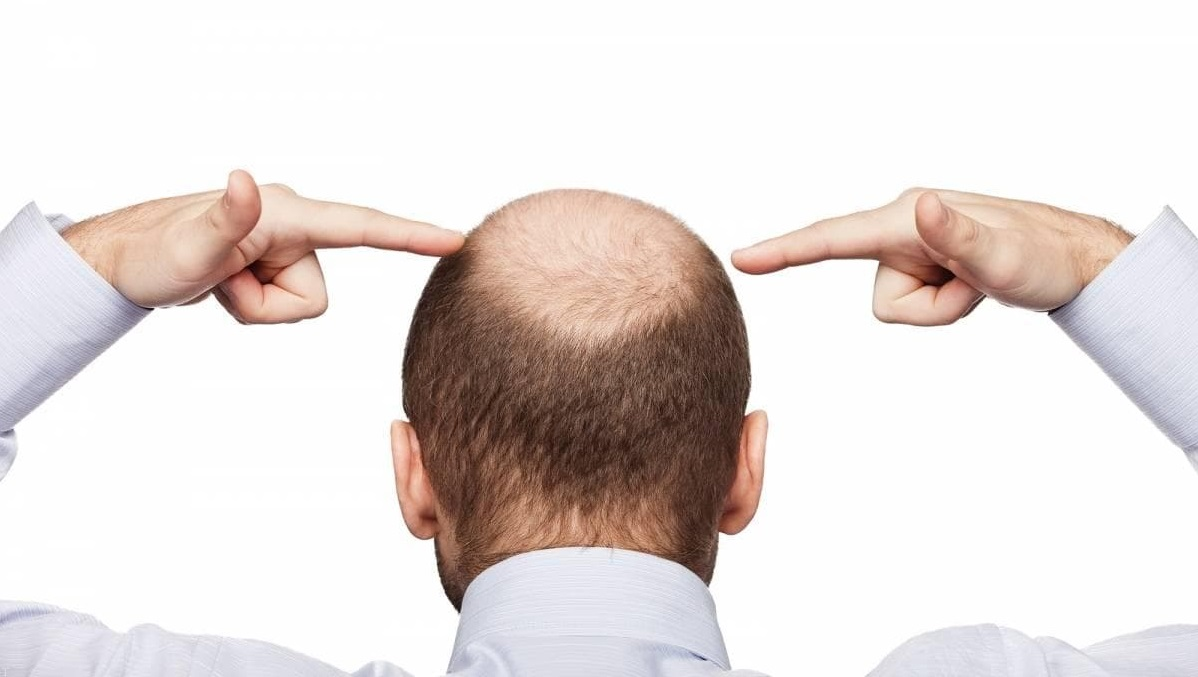
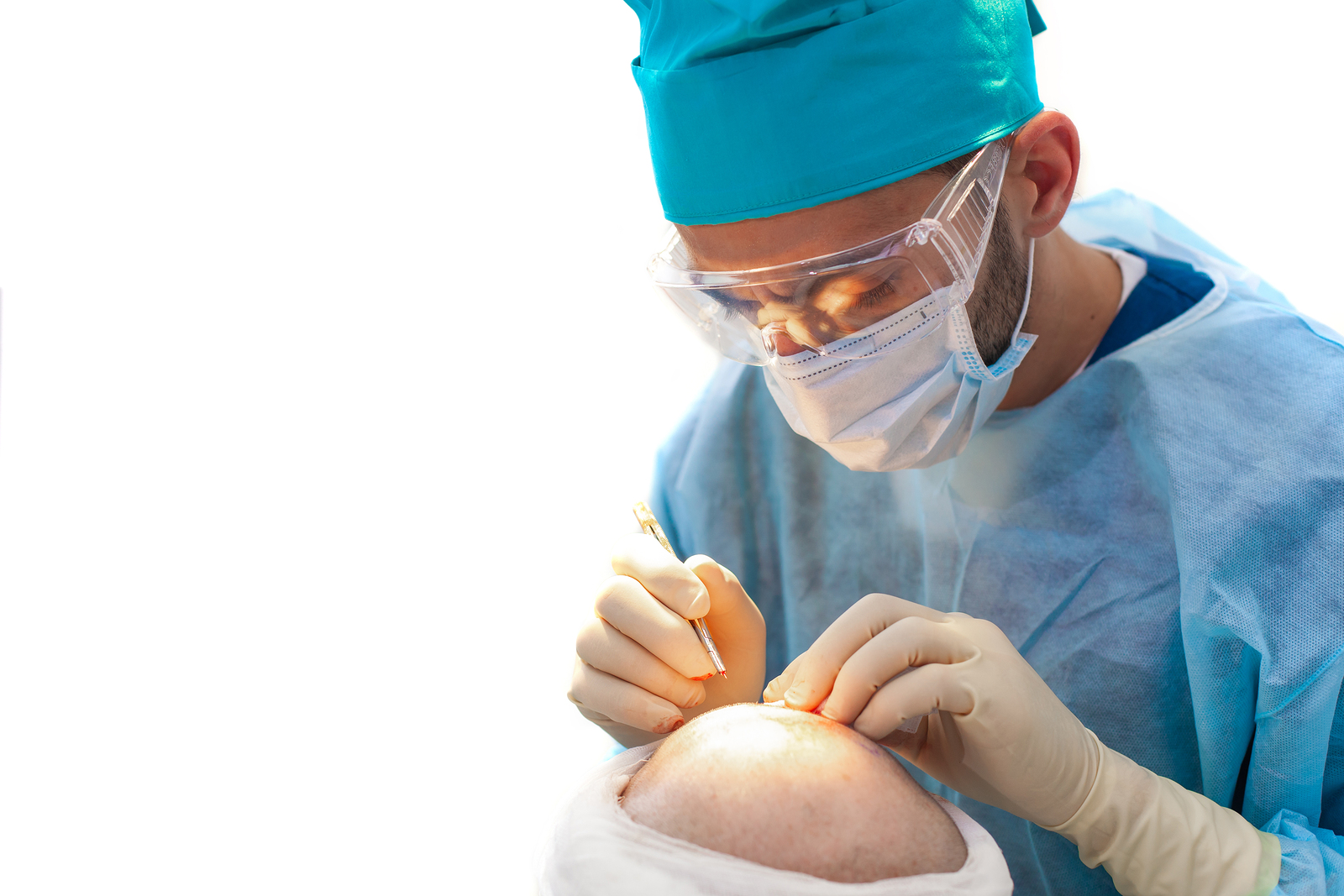
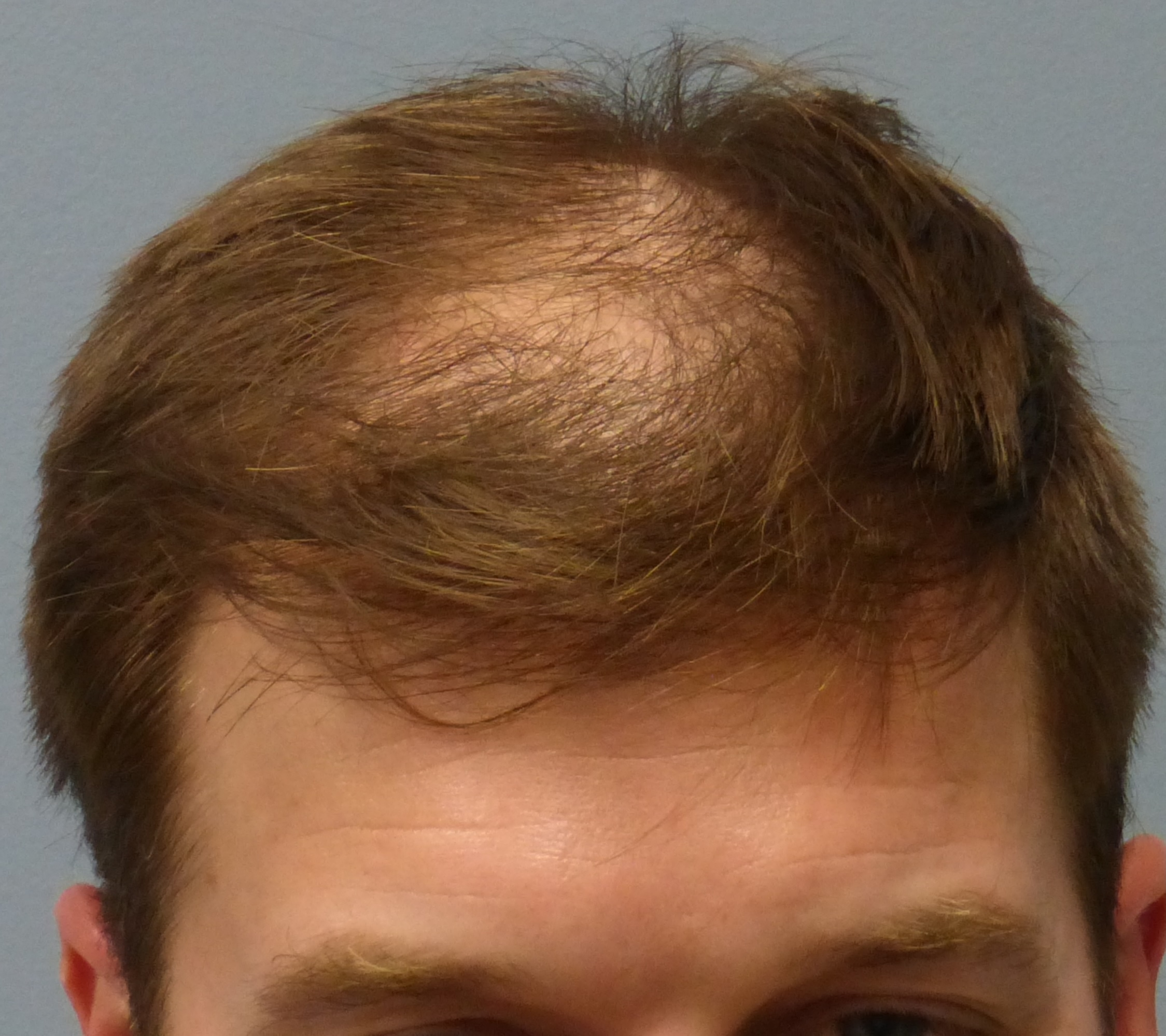
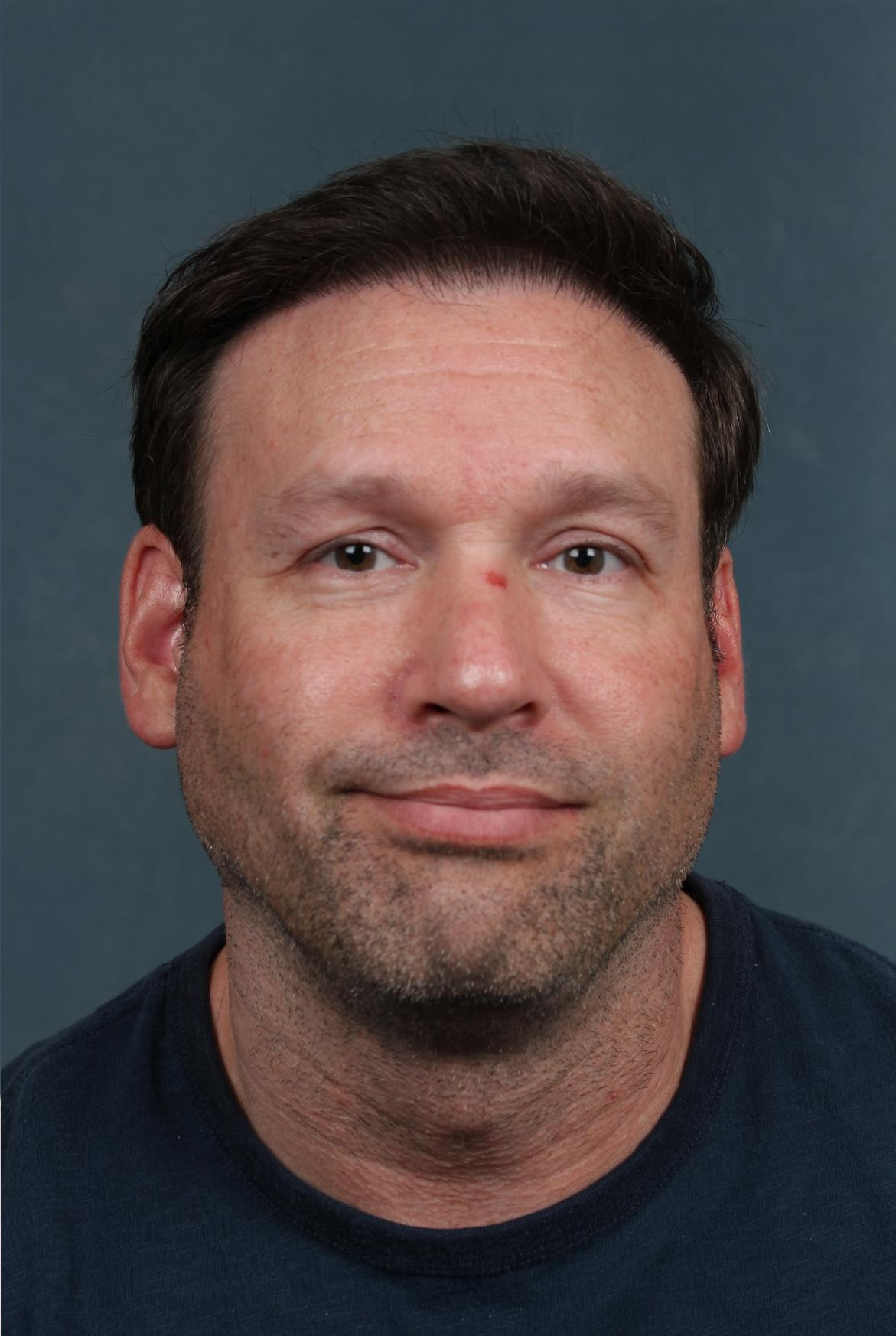
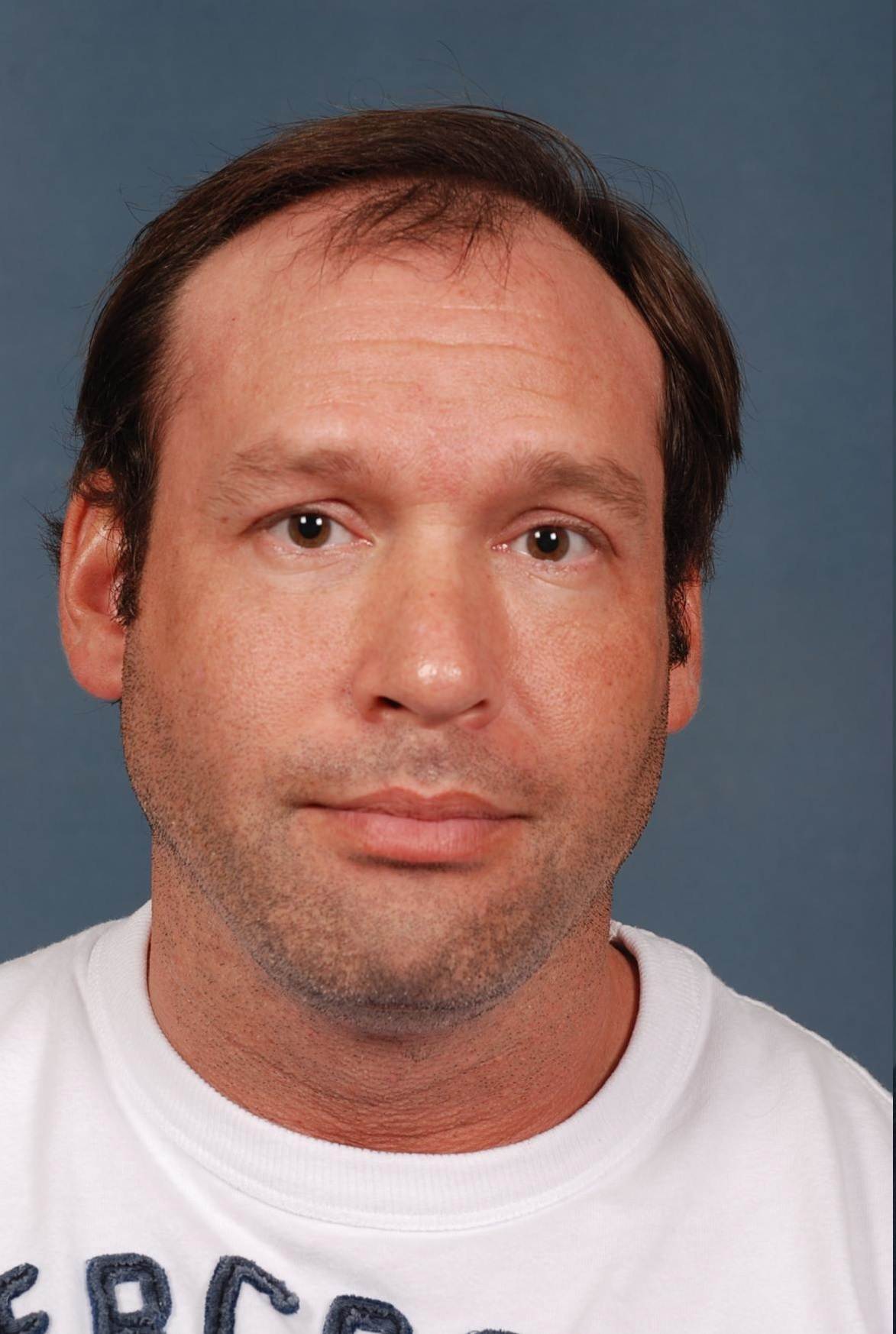
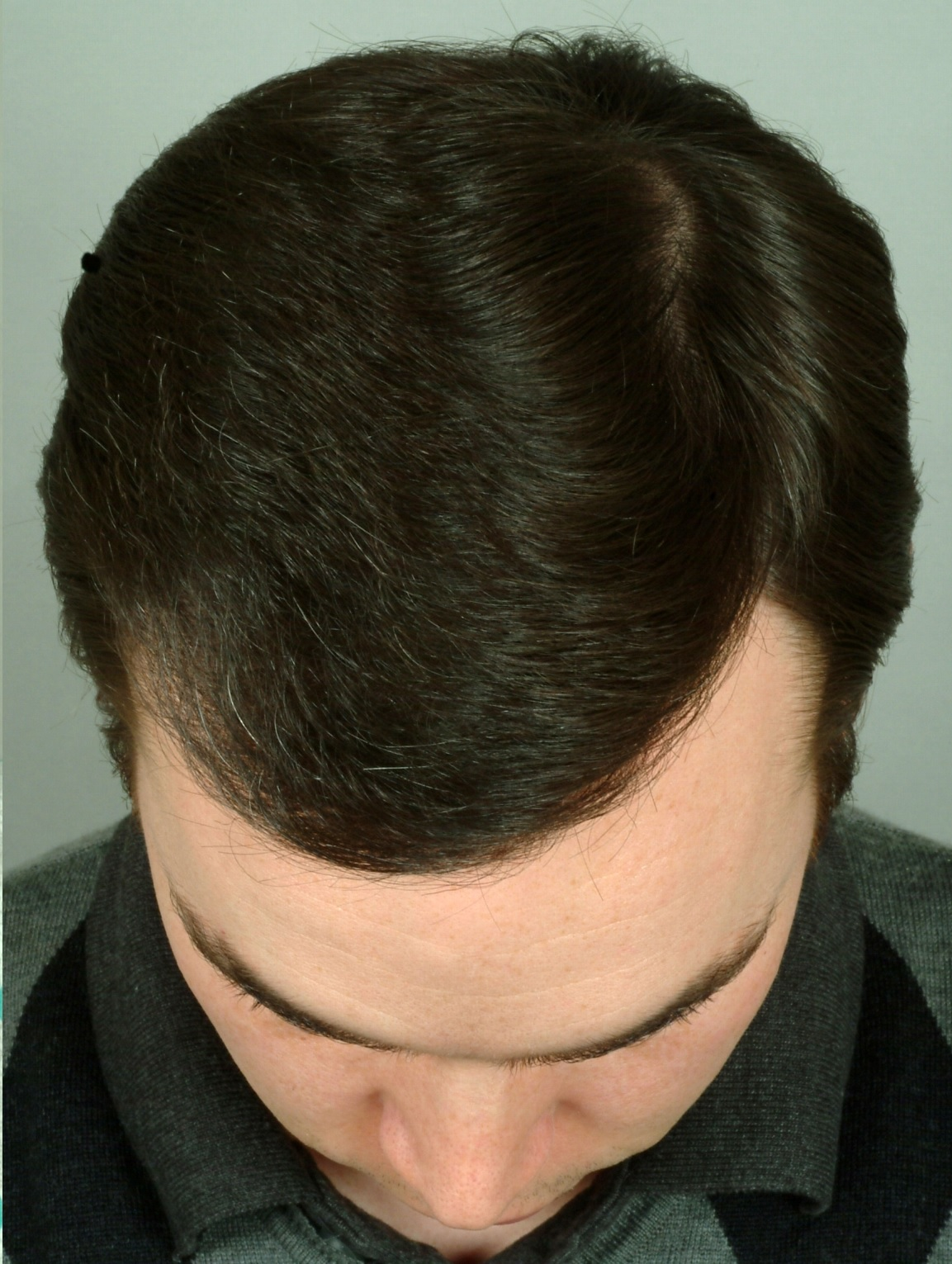
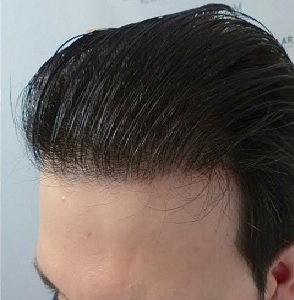
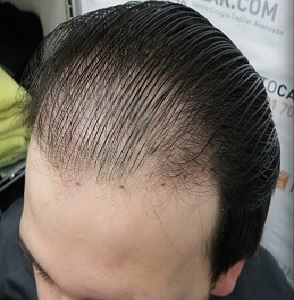
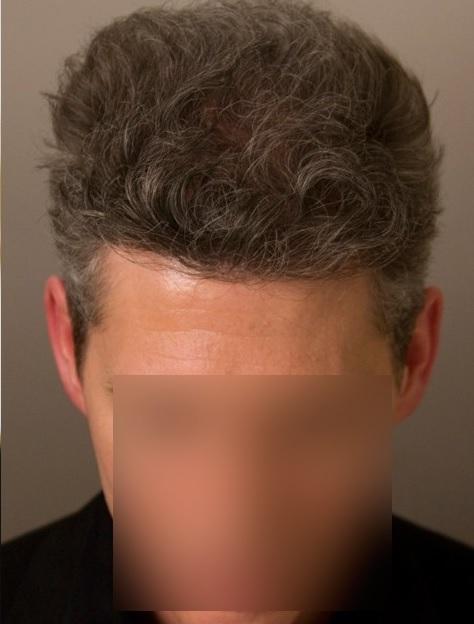
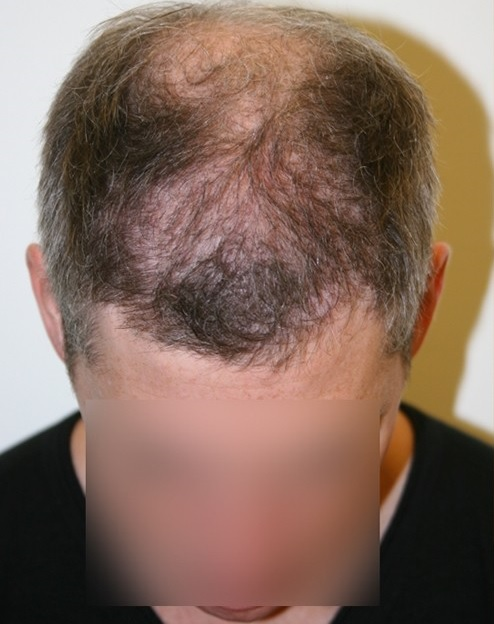
Hair transplantation is a medical procedure in which a plastic surgeon or a dermatologist and cosmetic specialist transfers hair follicles to the bald area of the applicant’s head. In this method, the surgeon usually moves hair from the back or sides of the head to the front or top of the head, or uses a hair grafting method so that the bald or thinning-haired person has thick hair after the transplanted hair regrows. Furthermore, hair transplantation is an outpatient surgery and in most cases does not require the patient to be hospitalized, but it must be performed in equipped operating rooms with specialized tools to reduce the risk of infection after the procedure by adhering to hygienic principles.
1- Hereditary Hair Loss:
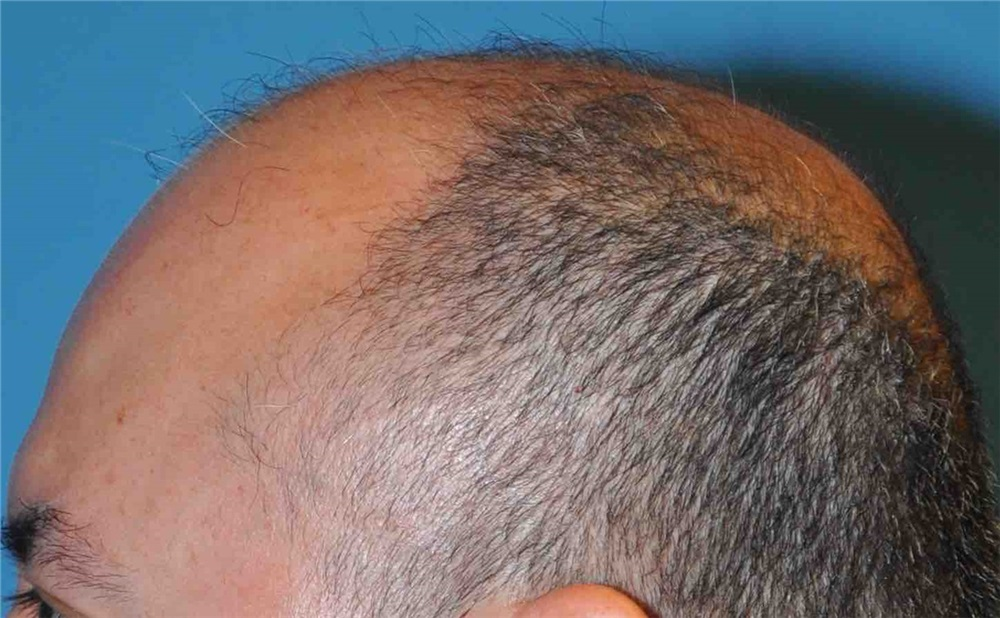
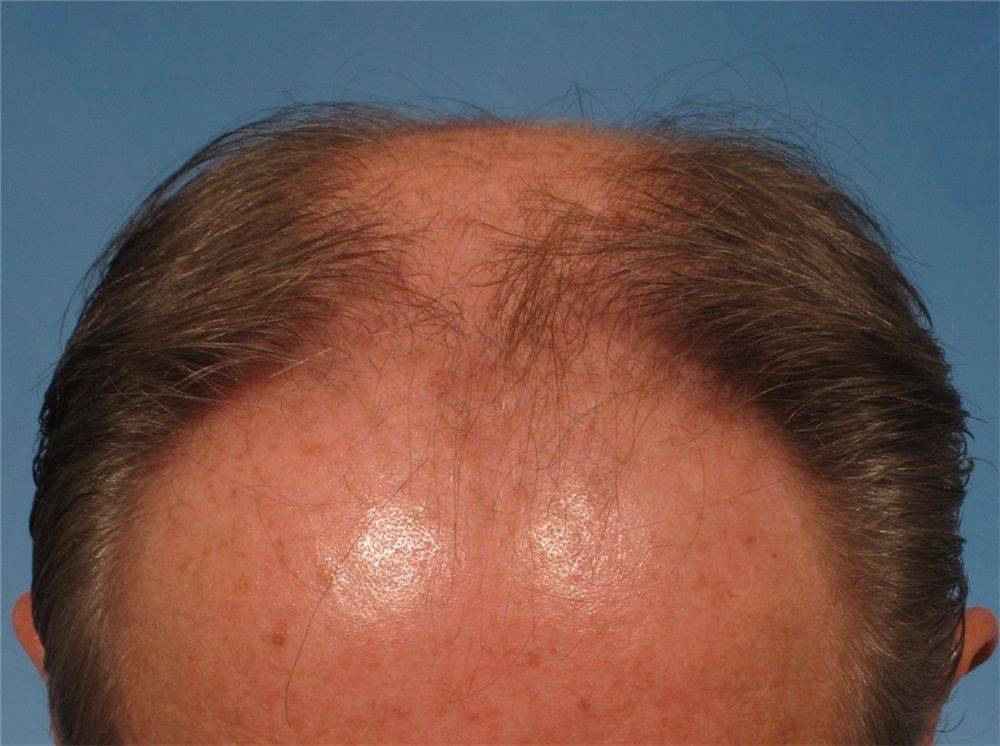
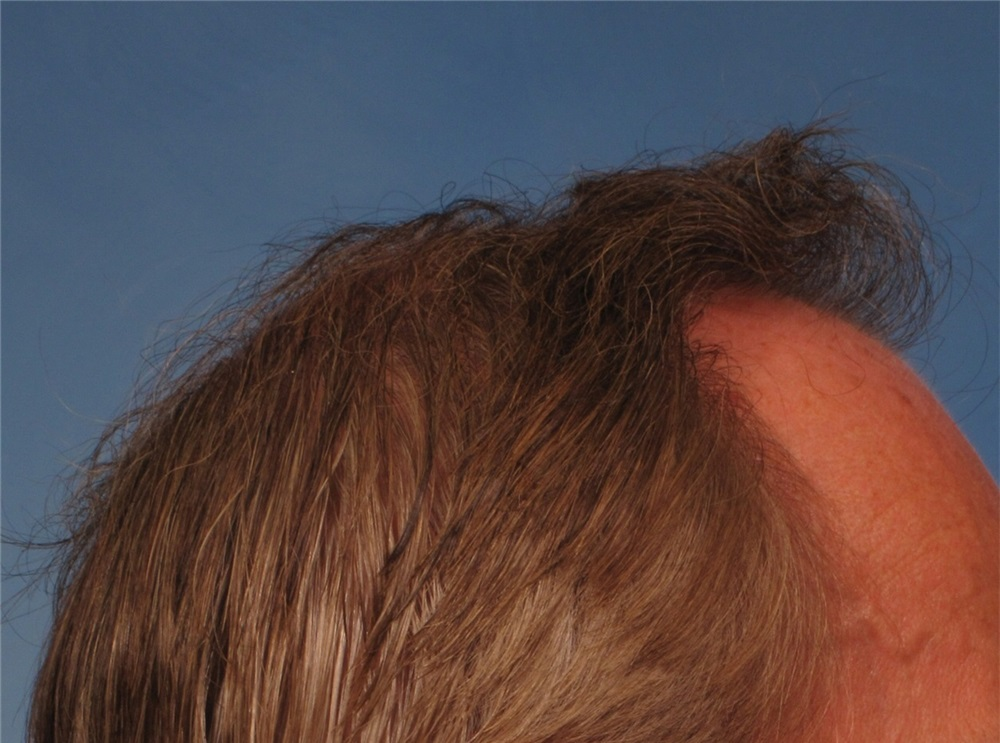
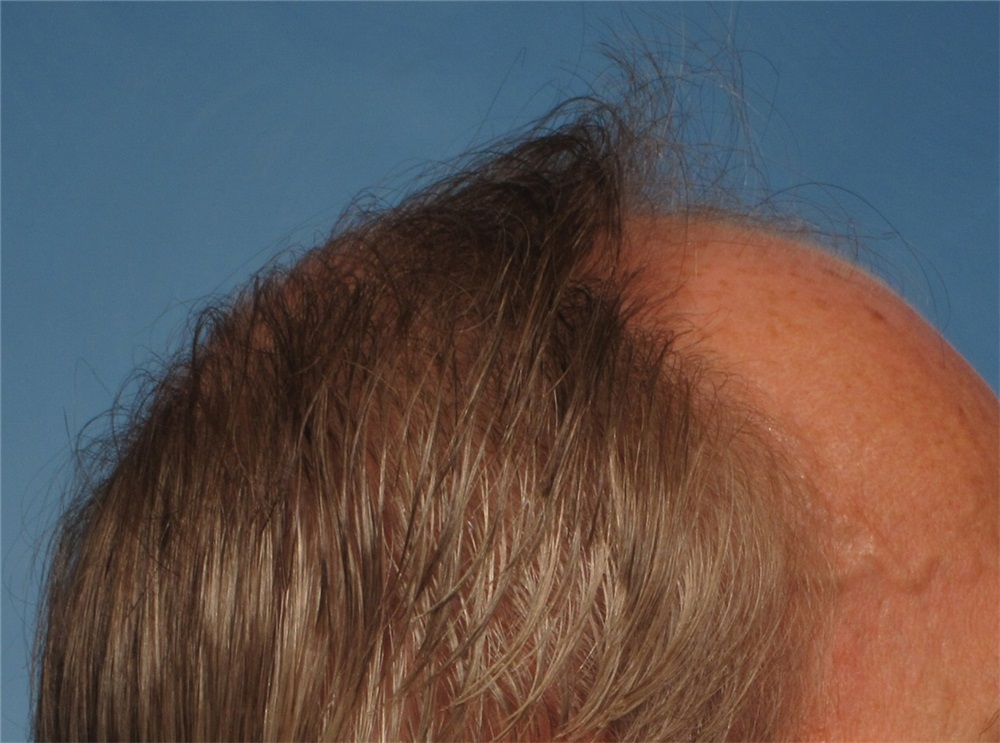
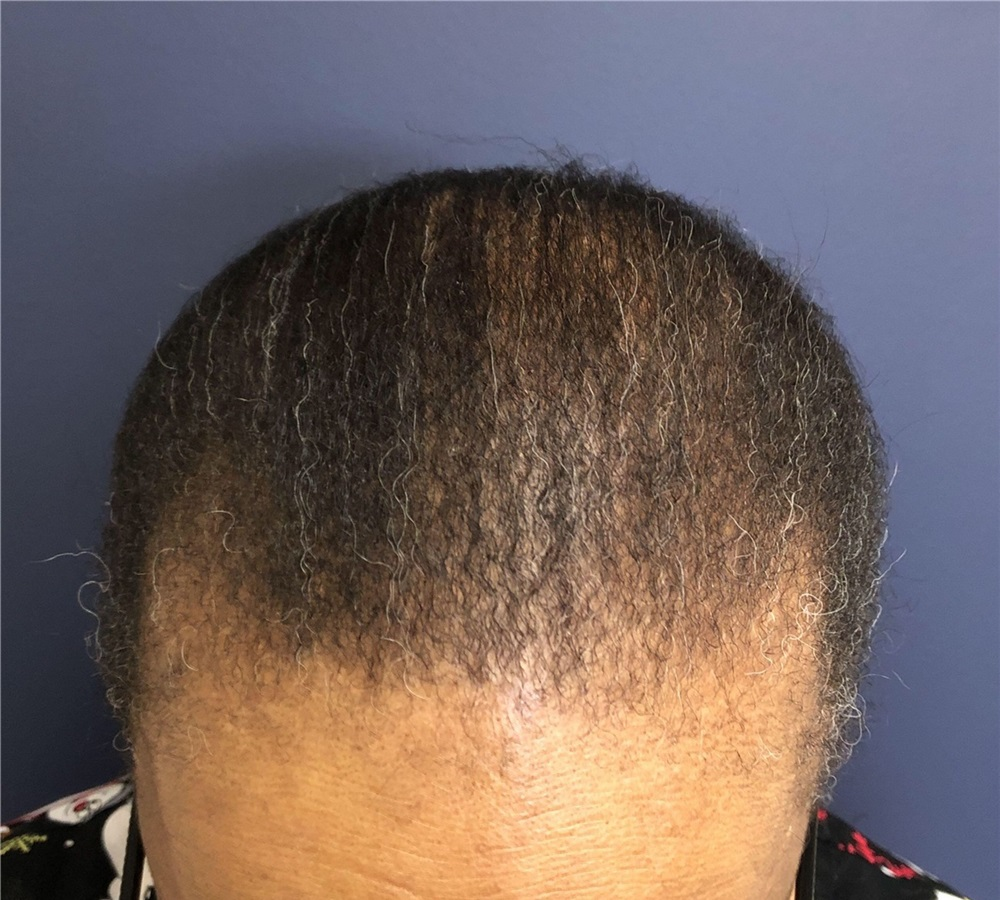
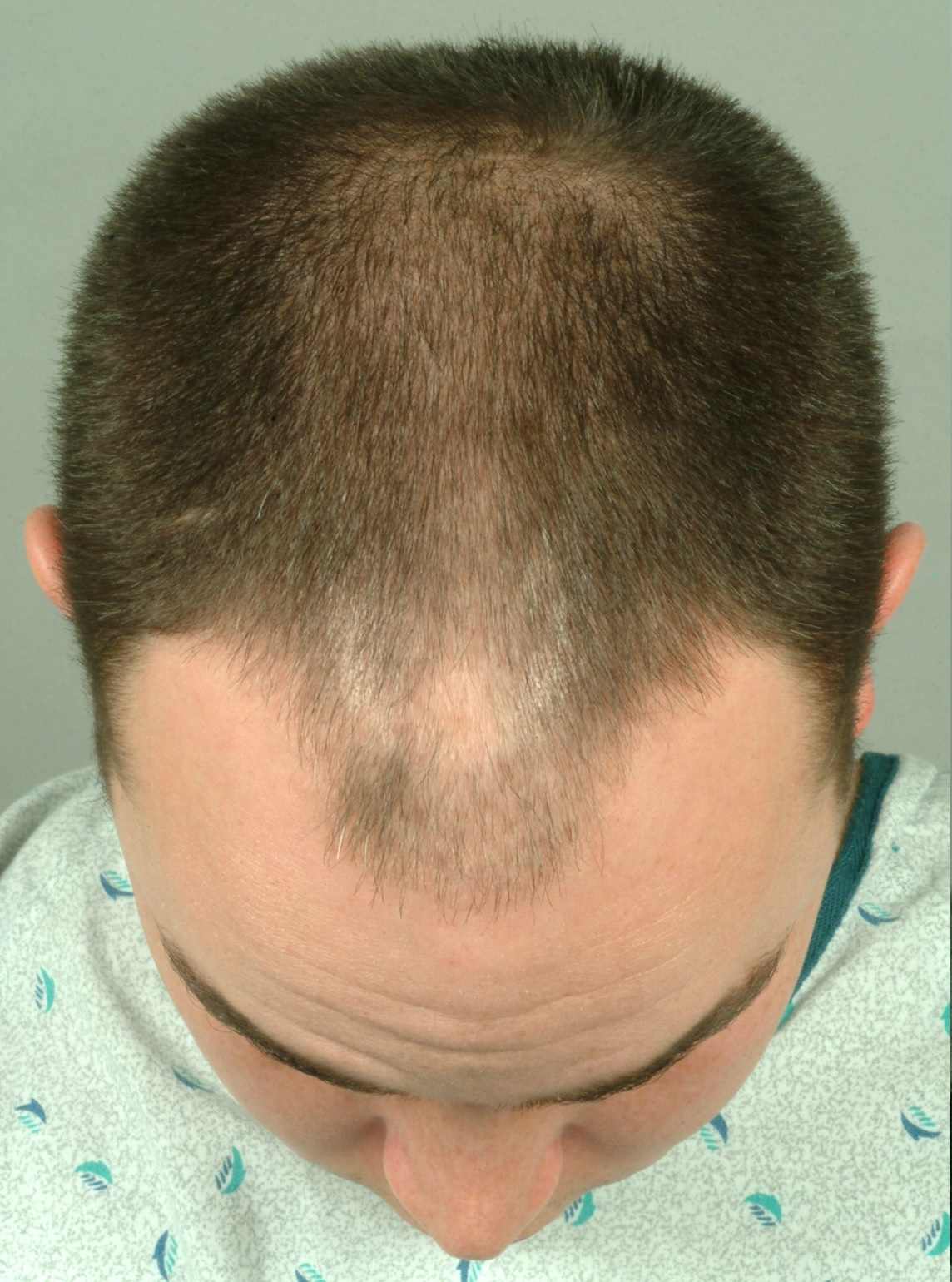
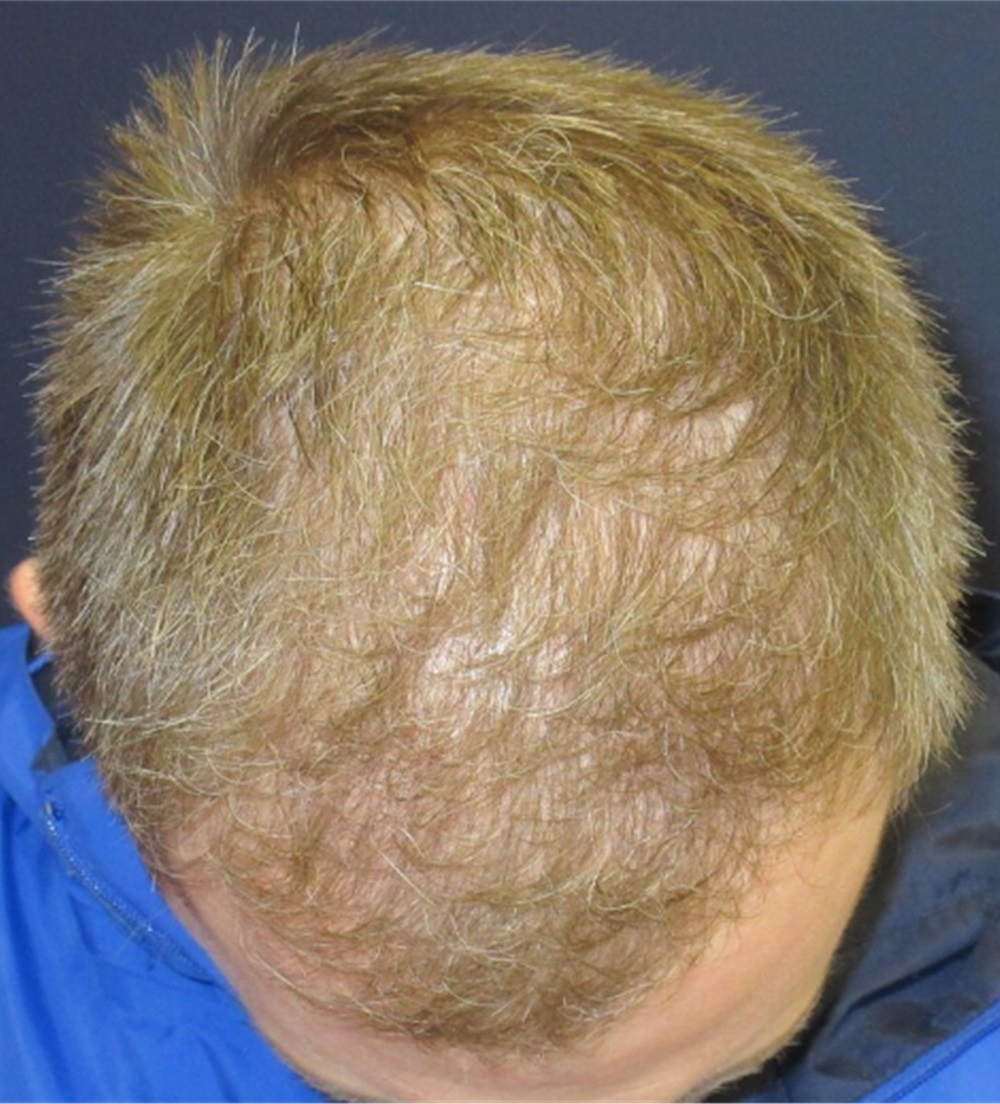
This type of hair loss (androgenetic alopecia) is the most common reason for hair transplantation. In this condition, hair begins to fall out from specific areas of the head (such as the front and crown), and hair transplantation can provide a natural appearance by transferring hair from dense areas to sparse areas.
2- Baldness:
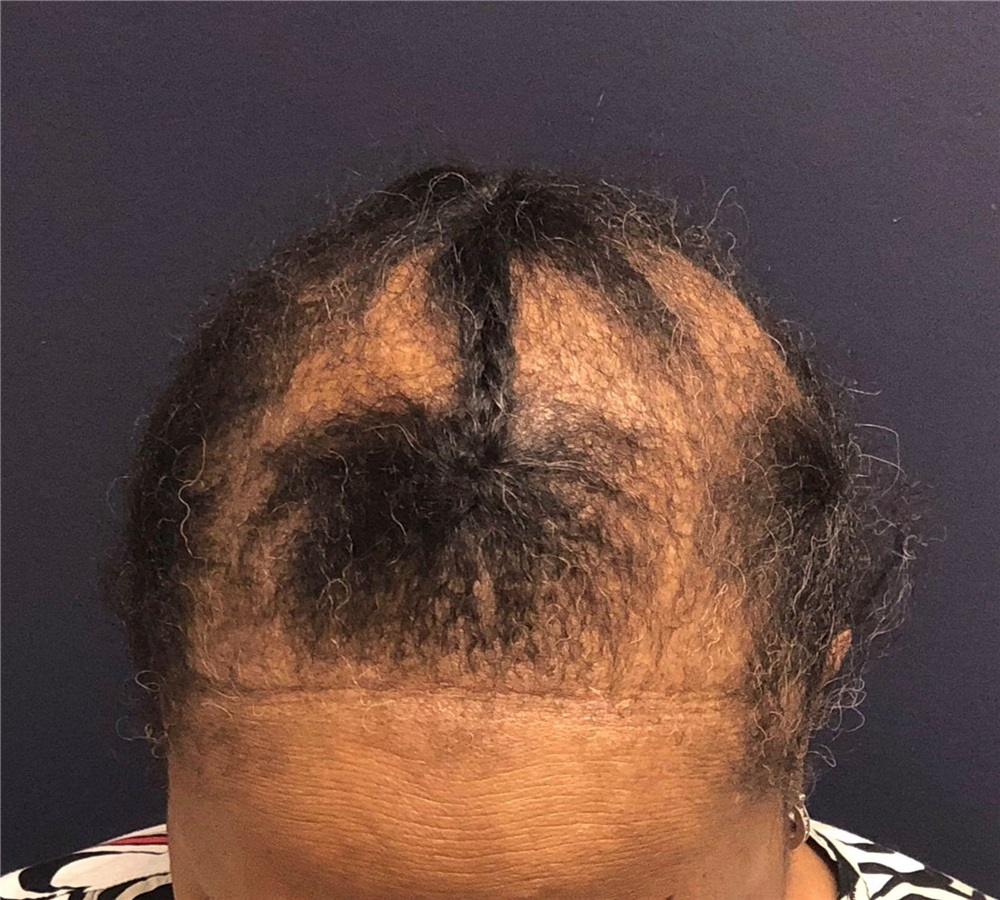
Baldness can be caused by various factors including genetics, diseases, stress, or physical injuries. Hair transplantation can help restore hair in these areas by transferring hair follicles from the donor area to the bald area.
3- Hair Thinning:
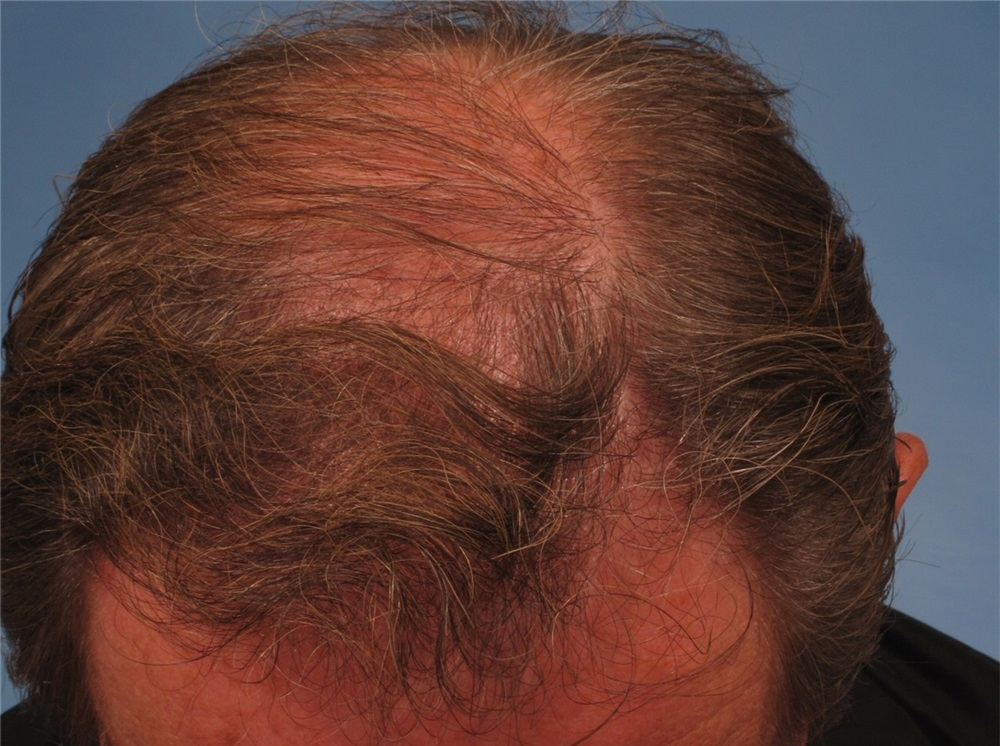
Hair thinning can be due to aging, hormonal factors, poor diet, or the use of unsuitable chemical products. Hair transplantation can give a fuller appearance to the hair by increasing hair density in thin areas.
4- Abnormal Hairline:
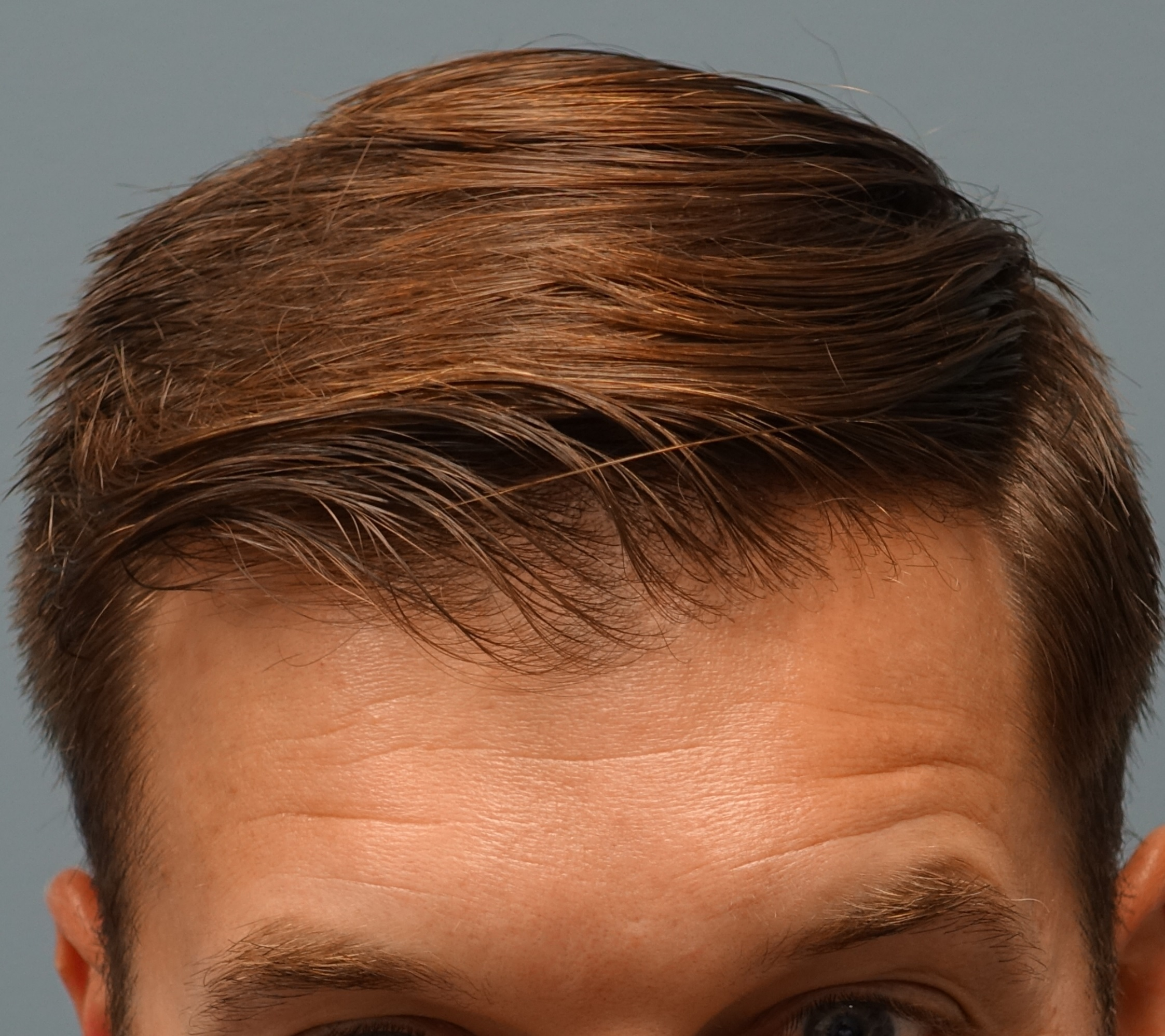
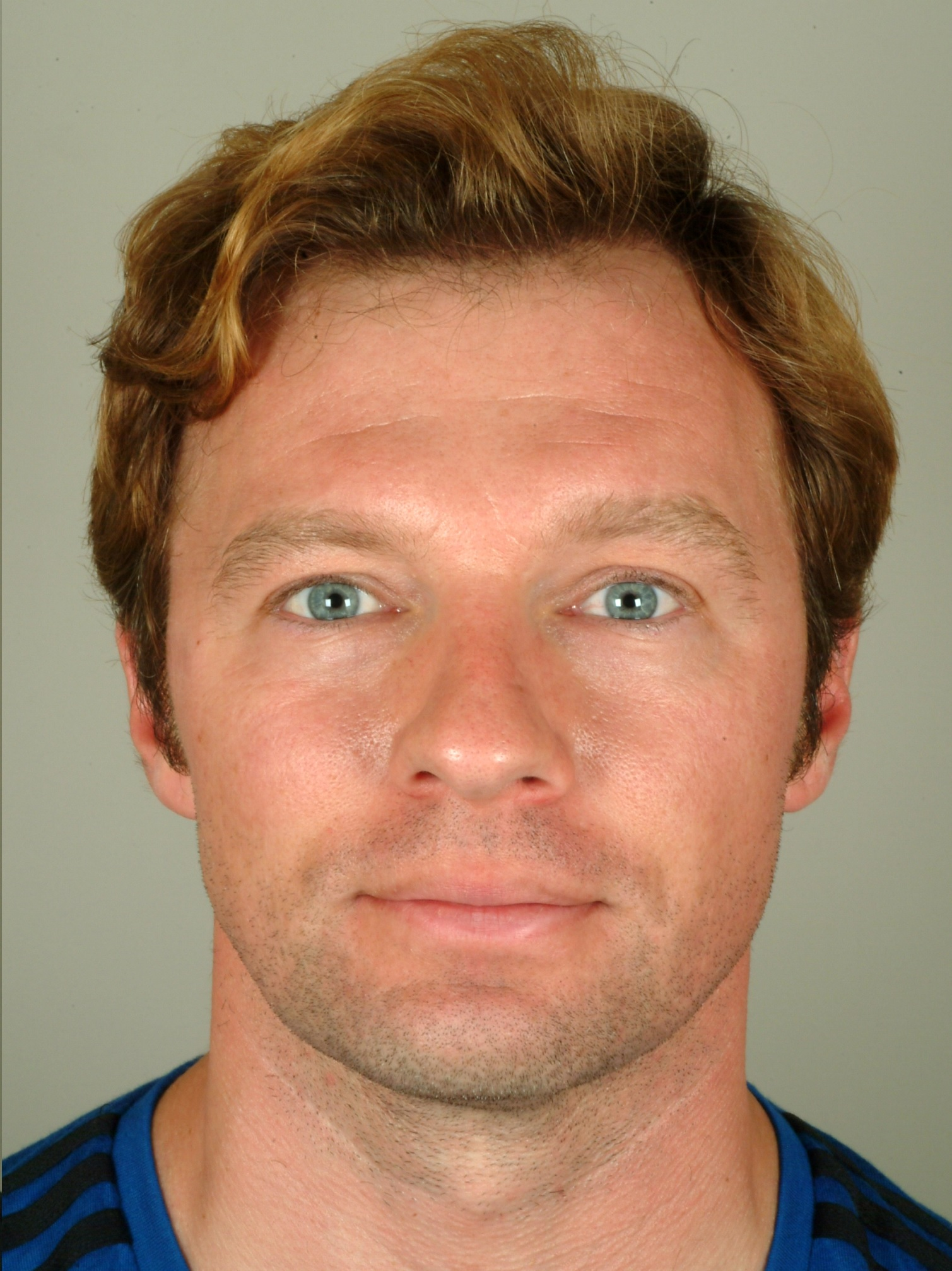
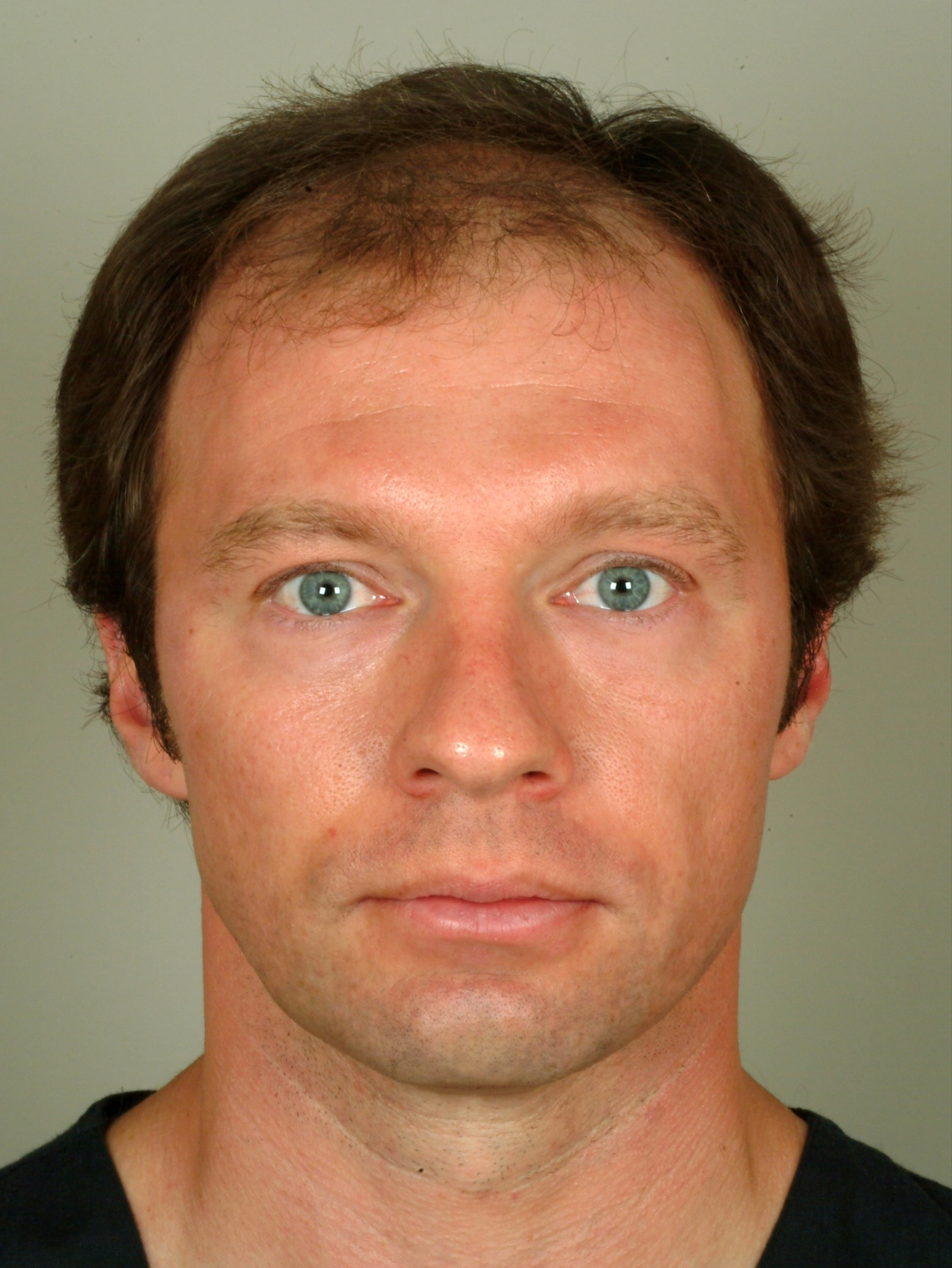
Some people do not have a natural hairline, which can cause dissatisfaction with their appearance. Hair transplantation can correct the hairline by transferring hair to the desired areas.
5- Reduced Hair Volume Due to Scars or Burns:
Scars and burns can destroy hair follicles, preventing hair growth in those areas. Hair transplantation can resolve this issue by transferring hair from other areas.
6- Hair Transplantation for Other Body Areas:
Hair transplantation can also be performed for beards, eyebrows, and even eyelashes, helping individuals who have hair thinning in these areas.
Protect the grafts and wash as instructed; the first-wash time differs between patients.
Crusting and itching may occur in the first weeks. Do not pick crusts or scratch the grafts.
Transplanted hair shafts may shed before new growth starts. Ask the doctor to assess unusual loss.
New growth develops over months and the final result takes longer. Follow advice on work, exercise and sun protection.
Treatment and travel are coordinated around your circumstances and the agreed care plan.
Your records and expectations are collected to arrange a specialist consultation. Requests for further information are followed up before travel.
Consultations and visits are arranged according to the doctor’s and medical centre’s schedules.
Interpreter and travel support can be coordinated to assist communication with your doctor and medical centre.
Post-treatment visits and online follow-up, when available, are considered in accordance with the doctor’s plan.

Before travelling, check insurance coverage, exclusions and approval requirements with your insurer in your country of residence.

Contact the Medisa team to discuss your request and arrange an initial consultation.

FUT removes a strip of scalp, while FUE harvests individual follicular units and is sometimes called FIT. Donor quality, loss pattern, scarring and goals guide the choice.
The scalp should not have dandruff, pimples, or blisters under any circumstances; otherwise, these must be treated before hair transplant surgery. The most suitable transplantation method will be chosen by the doctor based on the type of baldness, hair type, and desired density.
In the FUT hair transplantation method, after applying local anesthesia, a thin strip containing hair follicles is removed from the back of the head. Then, grafts with 1 to 4 hairs are cut from this strip and transferred to the desired areas for transplantation and replacement.
Individual follicular units are harvested and implanted in recipient areas. Team skill, graft handling and the person’s condition affect results; graft injury or loss is possible.
SUT is commonly used for techniques involving mechanised harvesting or implantation tools. A trade name alone does not guarantee quality. Ask about the actual technique, clinical team and risks.
HRP may describe hair restoration or replacement and should not be confused with living follicle transplantation. Conventional transplantation uses your own donor hair. Routine use of another person’s hair or guaranteed hair counts should not be assumed; clarify the exact method.
In natural hair grafting, hair from the back and sides of the patient's head is harvested and transplanted into bald or thinning areas, including the top of the head, mustache, beard, and eyebrows. Today, with advancements in medical science, this procedure is performed using two methods: microsurgery (MF.U.T) and another method (MF.I.T). The way the harvested hairs are transplanted is the same in both FIT and FUT methods, and in both methods, hairs are transplanted as micrografts. The only difference between these two methods lies in the type of hair harvesting. In the FIT method, instead of making an incision in the back of the head, hairs are extracted individually using a special device and in a very delicate manner.


